
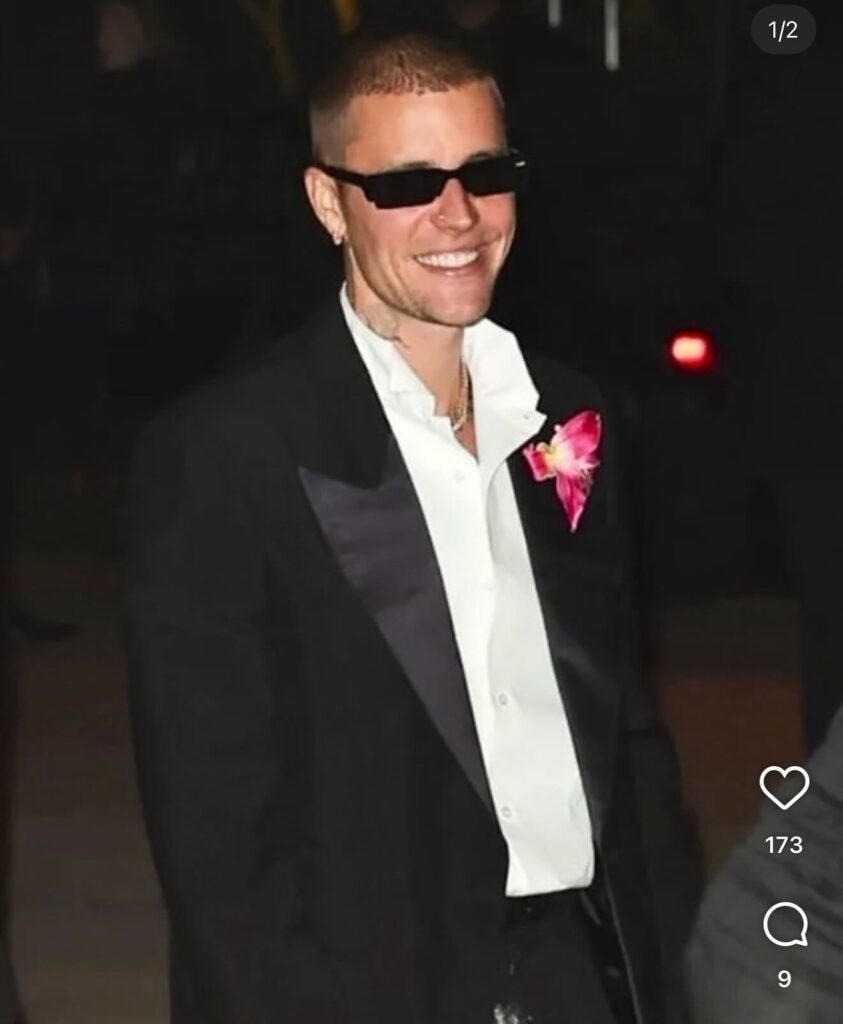
Introduction: Why Justin Bieber Still Matters
Justin Bieber is more than just a famous singer.
He is a global brand, a cultural symbol, and a story of early fame, struggle, and reinvention.
From a kid posting songs on YouTube to one of the biggest pop stars in the world, his journey is full of twists, mistakes, growth, and comebacks.
Love him or not, Justin Bieber has shaped pop music, youth culture, and even the way we talk about mental health and celebrity pressure.
In this article, we will explore his life, music, controversies, and what makes him still relevant in today’s fast-changing music industry.
Early Life: A Small-Town Kid With a Big Voice
Justin Drew Bieber was born on March 1, 1994, in London, Ontario, Canada.
He grew up in the small city of Stratford, Ontario, raised mainly by his mother, Pattie Mallette.
Money was tight, and life was not always easy, but Pattie encouraged Justin’s love for music.
From a young age, he showed interest in drums, guitar, piano, and singing.
He did not have formal music training at first.
Instead, like many kids, he learned by listening, copying, and practicing.
At age 12, Justin joined a local talent contest in Stratford.
He sang Ne-Yo’s song “So Sick” and came in second place.
His mother recorded his performance and uploaded the video to YouTube so family and friends could see it.
This one simple decision changed his life forever.
The YouTube Discovery That Changed Pop Music
Pattie started posting more videos of Justin singing covers of songs by Usher, Chris Brown, Justin Timberlake, and others.
Slowly, people began to discover his channel.
Views increased, comments grew, and his homemade videos started reaching beyond Canada.
Around this time, a talent manager named Scooter Braun was searching on YouTube for another artist.
He accidentally clicked one of Justin’s videos and was immediately interested.
Scooter began tracking down who this kid was and finally managed to contact Pattie.
At first, Justin’s mother was cautious, but she agreed to meet Scooter.
Soon, Justin and Pattie flew to the United States to explore opportunities.
Scooter introduced Justin to several key industry people, including R&B superstar Usher.
Usher saw something special in him.
After a bit of competition between labels, Justin eventually signed a deal with Raymond Braun Media Group (RBMG), a joint venture between Scooter Braun and Usher, and then with Island Records.
This moment marked the official beginning of Justin Bieber’s professional career.
It also showed the power of the internet in discovering new talent.
Today, many artists are found on YouTube, TikTok, and Instagram, but Justin was one of the first big global stars to rise directly from online videos.
The “Baby” Era: Teen Idol Takeover
In 2009, Justin released his debut EP, “My World.”
The songs “One Time,” “One Less Lonely Girl,” and “Love Me” quickly gained attention.
He became a sensation among teenagers, especially young girls, who soon called themselves “Beliebers.”
His signature hairstyle, boyish charm, and sweet love songs made him an instant teen idol.
In 2010, he released his first full-length studio album, “My World 2.0.”
The lead single “Baby,” featuring rapper Ludacris, became a massive global hit.
The song’s music video on YouTube gathered millions, and eventually billions, of views.
At one point, it was the most-viewed, and also one of the most–disliked, videos on the platform.
This reaction showed both his huge popularity and the early backlash against him.
Some people loved him.
Others enjoyed making fun of him.
But almost everyone knew his name.
As a teen idol, Justin was everywhere—magazine covers, TV shows, award stages, and radio.
He also released a 3D concert film, “Justin Bieber: Never Say Never,” which allowed fans to see his performances and behind-the-scenes life.
The movie turned him into not just a singer but a full pop phenomenon.
Growing Up In Public: Fame, Pressure, and Mistakes
Justin’s rise was incredibly fast.
By the time most teenagers are learning how to drive, he was touring the world, earning millions, and being followed by cameras 24/7.
Living under such pressure takes a toll on anyone, especially a young person.
As he grew older, Justin tried to move away from the “cute kid” image.
He wanted to be seen as an adult artist, not just a teen crush.
During this time, he also faced several controversies.
There were reports of reckless driving.
He was caught in some immature pranks.
There was an incident where he was filmed urinating in a mop bucket and another where he visited a club and behaved badly.
In 2014, he was arrested in Miami for alleged drag racing and driving under the influence.
Videos of him being taken to jail spread everywhere.
He also faced accusations of vandalism and other minor offenses.
For many critics and even some fans, it looked like Justin was going down a dangerous path.
Tabloids loved to exaggerate every mistake, turning them into big scandals.
At the same time, he was struggling internally with the pressures of fame.
This period of his life is often seen as his “bad boy” era.
It damaged his public image for a while, but it also forced him to confront his lifestyle and choices.
Musical Evolution: From Teen Pop to Mature Artist
Behind the headlines, Justin continued to grow musically.
He did not want to stay stuck in the bubblegum pop sound forever.
With each new album, he experimented with R&B, EDM, and more mature pop styles.
Journals and a More Vulnerable Side
In 2013, he released “Journals,” a more R&B-influenced project.
It showed a deeper, more emotional side to his songwriting.
Though it did not receive as much commercial support as his earlier works, many fans and critics later saw it as an important step in his evolution.
Purpose: The Comeback Album
In 2015, Justin released “Purpose,” the album that transformed his public image and career.
With hits like “Sorry,” “What Do You Mean?,” and “Love Yourself,” he moved confidently into a more mature sound.
The album blended electronic dance music with pop and R&B.
He collaborated with major producers and DJs, helping shape the sound of mainstream pop in the mid-2010s.
“Purpose” was both a commercial and critical success.
It showed that Justin was not just a teen idol, but a serious artist who could evolve and stay relevant.
Songs like “Sorry” dominated charts and clubs worldwide.
The album’s themes of forgiveness, reflection, and growth also matched his real-life attempts to change and take responsibility.
This period re-established Justin as one of the biggest names in music.
Health, Mental Struggles, and Stepping Back
While his career was back on top, Justin’s personal life was still complicated.
The constant spotlight, touring schedule, and past pressures caught up with him.
Justin has spoken openly about dealing with anxiety, depression, and feeling overwhelmed by fame.
He also revealed that he was diagnosed with Lyme disease and chronic health issues, which affected his energy and mood.
In 2017, during his “Purpose” World Tour, he cancelled the remaining dates.
He said he needed rest and wanted to protect his mental and emotional health.
This decision disappointed many fans, but it also showed a more responsible, self-aware side of him.
More celebrities, including Justin, have used their platforms to talk about mental health openly.
This has helped reduce stigma for fans who struggle with similar issues.
Websites like NAMI and Mental Health America now offer resources that many young fans can turn to when they hear their idols talk honestly about these struggles.
Love, Marriage, and Faith: A New Chapter
Justin’s personal relationships have always drawn huge attention.
For years, his on-and-off relationship with singer and actress Selena Gomez was a favorite topic of gossip sites.
They were one of the most talked-about young celebrity couples in the world.
Their relationship was intense, emotional, and often under stress from media and public opinion.
Eventually, they broke up for good.
Later, Justin reconnected with model Hailey Baldwin, now known as Hailey Bieber.
Their friendship turned into romance, and in 2018, they got married in a civil ceremony.
In 2019, they celebrated with a larger wedding with family and friends.
Marriage changed Justin’s life in many ways.
He has spoken about how being a husband required him to grow up, be more responsible, and learn to love in a deeper way.
Faith has also been a major part of his journey.
Justin has frequently talked about his Christian faith and how it helped him through dark times.
He has expressed that his relationship with God and the support of his wife played big roles in his recovery and stability.
For many fans, this new chapter showed a calmer, more grounded Justin Bieber—someone trying to build a real adult life beyond the noise of fame.
Recent Music: Changes, Justice, and Beyond
After taking time off, Justin returned with new music that reflected his life as an adult.
Changes: Love and Intimacy
In 2020, he released the album “Changes.”
The songs on this album focused heavily on love, marriage, and emotional growth.
Tracks like “Yummy,” “Intentions,” and “Forever” showed him as a man in love, exploring the softer and more personal side of his life.
While “Changes” received mixed reviews from critics, it still performed well on charts.
It confirmed that Justin could stay relevant in a new decade of pop music.
Justice: Pop with a Message
In 2021, Justin released “Justice.”
This album mixed radio-friendly pop with messages about hope, unity, and healing.
Songs like “Peaches,” “Hold On,” and “Anyone” became big hits.
“Peaches,” in particular, reached the top of charts in many countries.
With “Justice,” Justin addressed themes like mental health, support, and empathy.
The album connected with a world still dealing with the COVID-19 pandemic and social unrest.
He may not be a political artist, but he clearly wanted to send a message about kindness and understanding.
You can explore his full discography and chart history on platforms like Billboard and Spotify.
Justin Bieber’s Impact on Pop Culture
Justin Bieber’s influence goes far beyond music.
He has shaped style, social media behavior, and even the way the industry treats young stars.
Creating the Modern Internet Pop Star
Justin was one of the first major artists discovered on YouTube.
This opened doors for many other singers who now use platforms like TikTok, SoundCloud, and Instagram to launch careers.
Labels and managers now actively hunt talent online, something that was not as common before his success.
The Power of Fandom
His fans, the “Beliebers,” became one of the largest and most active fan communities in the world.
They helped him win awards, break streaming records, and stay in the news.
The strength of his fanbase showed how powerful online communities could be in supporting or defending their favorite artist.
This intense level of fandom later appeared with other stars like BTS, Taylor Swift, and many K-pop groups.
Fashion, Style, and Trends
From his early swoopy hairstyle to his oversized hoodies, tattoos, and streetwear looks, Justin has always influenced youth fashion.
Brands have partnered with him for campaigns, and his style shifts are often copied by fans.
He has also collaborated with fashion and shoe brands, adding to his image as not just a singer, but a lifestyle icon.
Controversies and Criticism: A Complex Public Image
It would be dishonest to talk about Justin Bieber without mentioning the criticism he has faced.
From legal troubles to rude behavior, he has made mistakes that have hurt his public image at times.
Some people still see him as the troublemaking teen he once was.
Others believe he has grown, learned, and become more mature.
What makes his story interesting is not that he never fell, but that he has openly tried to improve.
He has apologized for past actions.
He has spoken about how fame at a young age can distort your sense of reality.
Sites like Variety, Rolling Stone, and BBC have followed his journey closely, showing both his failures and comebacks.
In a way, Justin represents the darker side of child stardom, but also the possibility of second chances.
Business Moves, Brand, and Net Worth
Justin Bieber is not just an artist.
He is also a business figure and global brand.
Over the years, he has partnered with major companies for endorsements, from perfumes to clothing and tech products.
His tours, album sales, merchandise, and streaming numbers have made him one of the wealthiest young stars.
He has also invested in various ventures and collaborations.
Because of his long career, starting from such a young age, his financial success is remarkable.
But unlike some celebrities who show off constantly, Justin today often tries to focus more on his music, health, and marriage than on flashing his wealth.
You can follow his official updates and projects on his website and his social media accounts.
Justin Bieber and Mental Health Awareness
One of the most important parts of Justin’s recent story is his openness about mental health.
He has shared his struggles with anxiety, depression, and the emotional cost of becoming famous so young.
In his docuseries and interviews, he has talked about therapy, support systems, and the importance of getting help.
This honesty matters, especially because many of his fans are young and may be facing similar feelings.
Talking about mental health publicly helps others feel less alone.
It encourages fans to seek support, whether from friends, family, or professional help.
Resources like BetterHelp, National Suicide Prevention Lifeline, and local mental health services can be crucial for those in need.
By sharing his story, Justin has helped make conversations about mental health more normal and accepted.
Legacy: From Meme to Music Veteran
Justin Bieber has now spent more than a decade in the global spotlight.
He went from viral kid, to teen idol, to controversial figure, to respected pop veteran.
Many artists who rise fast disappear just as quickly.
But Justin has managed to stay, adapt, and reinvent himself.
His legacy includes record-breaking hits, major cultural moments, and a huge influence on the way music and the internet connect.
He has also become a symbol of how messy, painful, but also redeeming, growing up in public can be.
For some, he will always be that teenager singing “Baby” in a purple hoodie.
For others, he is the artist behind songs like “Sorry,” “Love Yourself,” “Peaches,” and many more.
And for newer fans, he might simply be another strong voice in modern pop.
Whatever image you hold, it is hard to deny that Justin Bieber has left a permanent mark on pop culture.
Conclusion: The Ongoing Story of Justin Bieber
Justin Bieber’s story is not finished.
He is still young, still making music, and still evolving as a person and artist.
From Stratford talent shows to global stadium tours, his life feels almost like a movie.
There have been high peaks, deep valleys, and everything in between.
What makes his journey compelling is not perfection, but transformation.
He has fallen, apologized, worked to change, and used his platform to talk about love, faith, and mental health.
As the music industry continues to change with streaming, social media, and new trends, Justin remains part of the conversation.
Whether you are a long-time Belieber or someone who has only recently started listening to his songs, understanding his story gives you a better view of how modern pop stars are made—and what they pay for their fame.
If you want to explore more of his work, you can listen to his albums on Spotify, Apple Music, or watch his videos on YouTube.
Justin Bieber is not just a headline or a meme.
He is a complex human being, a talented performer, and one of the defining pop icons of his generation.
Also Read : Betty White: The Golden Heart of Hollywood