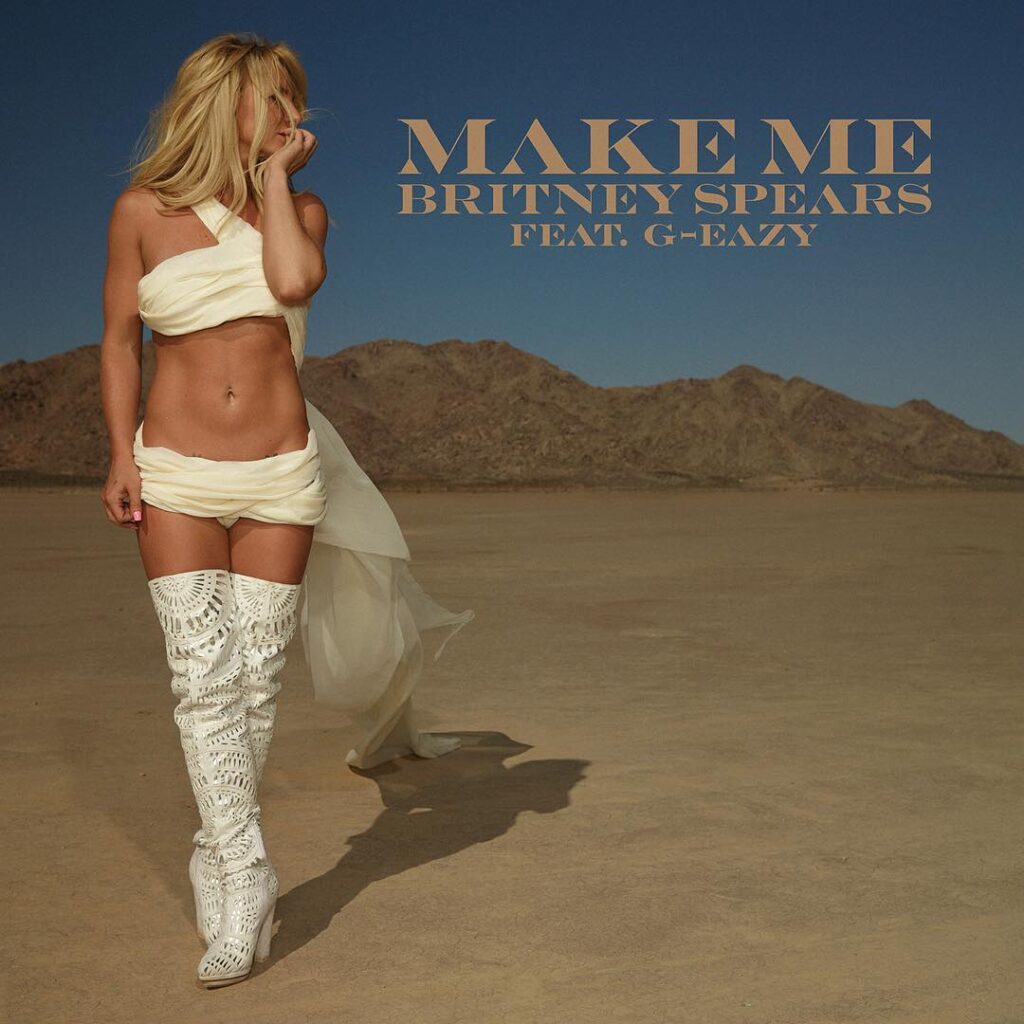
The Rise, Fall, And Rebirth Of A Pop Icon
Britney Spears is more than a famous singer.
She is a symbol of pop culture, fame, and survival.
For over two decades, her name has appeared in music charts, news headlines, court cases, and social media trends.
Her story is full of catchy hits, personal struggles, and a powerful fight for freedom.
In this blog post, we will explore Britney Spears’s life, music, and legacy.
We will look at how she became a global superstar, why her personal life became public drama, and how she took back control of her own story.
Along the way, we will also see what her journey tells us about fame, media, and mental health in today’s world.
Who Is Britney Spears?
Britney Spears is an American singer, dancer, and entertainer.
She is often called the “Princess of Pop.”
She was born on December 2, 1981, in McComb, Mississippi, and grew up in Kentwood, Louisiana.
From a very young age, she loved singing and performing.
Her big break came when she joined The All-New Mickey Mouse Club as a child performer.
There she worked with other future stars like Justin Timberlake and Christina Aguilera.
But it was her solo music career in the late 1990s that turned her into a global pop icon.
Early Life And First Steps Into Fame
Britney’s talent showed early.
She took dance lessons, sang in the church choir, and entered local talent shows.
As a child, she auditioned for the Mickey Mouse Club and was accepted the second time she tried.
This show gave her training in acting, singing, and dancing.
After the show ended, Britney returned home and tried to live a normal life.
But she and her family still believed she could become a star.
At age 15, she recorded a demo and sent it to record labels.
Jive Records signed her and decided to market her as a teenage pop artist.
This decision would change pop music and youth culture for years to come.
The “…Baby One More Time” Era
In 1998, Britney released her debut single “…Baby One More Time.”
The song was a massive hit around the world.
It reached number one on the Billboard Hot 100 and topped charts in many countries.
The music video, with Britney dressed in a schoolgirl outfit, became one of the most iconic visuals in pop history.
Her first album, also called …Baby One More Time, sold millions of copies.
It turned Britney into a global superstar almost overnight.
Teenagers wanted to dress like her, dance like her, and be like her.
Parents, critics, and the media debated whether her image was too sexual for a teenager.
From the beginning, Britney’s career was not only about music.
It was also about image, controversy, and public opinion.
Building A Pop Empire: Oops!… I Did It Again And Beyond
After her first success, many people wondered if Britney would be a “one hit wonder.”
Her second album proved that she was not.
In 2000, she released Oops!… I Did It Again.
The title track became another huge hit, and the red catsuit from the music video became another pop culture symbol.
The album broke sales records for a female artist.
By now, Britney was one of the biggest names in the world.
She went on major world tours, appeared on magazine covers, and performed at important events like the MTV Video Music Awards.
Her performances mixed strong choreography, storytelling, and stage effects.
As her career grew, she began to take more control of her sound and style.
Albums like Britney (2001) and In the Zone (2003) showed a more mature, experimental side of her.
Songs like “I’m a Slave 4 U,” “Toxic,” and “Everytime” presented new images and deeper emotions.
She was no longer just a teen idol.
She was becoming a complex pop artist with multiple layers.
Life Under The Spotlight: Relationships And Public Scrutiny
While Britney’s music career was huge, her personal life was also under constant watch.
The media followed her everywhere she went.
Her relationship with fellow pop star Justin Timberlake became tabloid gold.
When they broke up, the press treated it like a national drama.
Her every move was photographed by paparazzi.
Magazines and TV shows endlessly discussed her love life, outfits, weight, and behavior.
In 2004, she married her childhood friend Jason Alexander in Las Vegas.
The marriage was annulled after only 55 hours.
Later that year, she married Kevin Federline, a backup dancer.
They had two sons together.
But the pressure of motherhood, fame, and media judgment took a toll on her.
The world watched as her personal challenges became more visible.
Breakdown In Public: 2007 And The Tabloid Years
By the mid-2000s, the media focus on Britney grew even more intense.
She was followed all day by photographers and gossip reporters.
In 2007, her mental health struggles became worldwide news.
Images of her shaving her head and attacking a photographer’s car with an umbrella spread rapidly.
Instead of showing empathy, tabloids treated her pain like entertainment.
TV hosts and comedians made jokes about her breakdown.
This period highlighted how cruel the celebrity culture could be.
Few people asked what support she needed.
Most were more interested in getting the “next big photo” or a shocking story.
Britney’s addiction issues, custody battles over her children, and frequent visits to rehab were all covered in detail.
She seemed to lose control over her own life and narrative.
The Conservatorship: Losing Legal Control Over Her Life
In 2008, after several highly public incidents, a court placed Britney under a legal conservatorship.
A conservatorship is a legal arrangement where a person is put under the control of a guardian.
This system is usually used for elderly or severely disabled people who cannot manage their own affairs.
In Britney’s case, her father, Jamie Spears, and others were given power over her personal life and finances.
This meant that they could make decisions about her money, her work schedule, and even some aspects of her personal relationships.
Legally, she was treated as if she were not capable of managing her own life.
At the same time, she continued to work.
She released new music, went on tours, and even had a long-running Las Vegas residency called Piece of Me.
Many fans began to question how she could be well enough to perform at such a high level.
Yet still be considered too unwell to control her own money and decisions.
This contradiction planted the seeds for a growing movement.
The #FreeBritney Movement
Around 2009, some fans started to express concern about the conservatorship.
They created online communities to discuss what was happening.
Over time, the hashtag #FreeBritney began spreading on social media.
Supporters believed that Britney was being controlled and exploited.
They analyzed court documents, interviews, and public appearances.
They believed she wanted out of the conservatorship but could not say so openly.
For many years, the public did not take the movement seriously.
It was sometimes seen as a “fan conspiracy theory.”
That changed in 2020 and 2021.
Documentaries like Framing Britney Spears brought new attention to her case.
The media, which had once mocked her, now questioned its own past behavior.
More people began to ask whether the legal system had failed her.
Britney Speaks Out In Court
In June 2021, Britney addressed the court directly in a public hearing.
Her words were shocking and powerful.
She said she felt “traumatized” by the conservatorship.
She claimed she had been forced to work, medicated against her will, and prevented from making personal choices, including about having more children.
This was the first time the world heard her side of the story in such detail.
It confirmed many of the fears her fans had voiced for years.
Her statement spread quickly across the internet.
Major news outlets around the world reported her testimony.
Public opinion shifted strongly in her favor.
Celebrities, activists, and ordinary people joined the call to end the conservatorship.
The legal system finally began to respond.
The End Of The Conservatorship
In November 2021, after 13 years, a judge ended Britney Spears’s conservatorship.
She regained the right to control her own life and money.
Outside the courthouse, fans celebrated.
They held signs, sang her songs, and chanted “Free Britney.”
It was not just a legal victory.
It was a cultural moment about human rights, disability rights, and autonomy.
Britney thanked her supporters on Instagram.
She said they had helped give her a voice.
The end of the conservatorship did not magically erase her past trauma.
But it marked the beginning of a new chapter where she could make her own choices again.
Britney As An Artist: Music, Style, And Legacy
Sometimes, the drama around Britney’s life makes people forget her impact as an artist.
Her music helped shape modern pop.
She popularized a style of dance-pop that mixed catchy hooks, electronic sounds, and sharp choreography.
Her music videos set standards for performance and storytelling.
“Toxic,” for example, is still praised for its production, visuals, and bold concept.
Songs like “Stronger,” “Overprotected,” and “Gimme More” now feel like reflections of her own life.
Her live performances, especially in the early 2000s, were full of energy and spectacle.
She danced with snakes, performed with Madonna, and delivered high-impact routines that influenced many younger stars.
Artists like Ariana Grande, Dua Lipa, and Selena Gomez have all grown up in a world shaped by Britney’s brand of pop.
Her mix of vulnerability and power remains a blueprint for many female performers today.
Media, Misogyny, And The Price Of Fame
Britney’s story also tells us a lot about how society treats women in the public eye.
From the start, she was judged harshly for her looks, clothes, and sexuality.
Interviews from the early 2000s show reporters asking her deeply personal and often inappropriate questions.
They asked about her virginity, relationships, and body in ways male stars rarely faced.
When she made mistakes, the world watched and mocked her.
Paparrazi chased her, even when she was with her children.
This treatment reflects wider issues of sexism and double standards.
Women in pop culture are often expected to be sexy but “pure,” confident but not “too loud,” successful but always polite.
Britney’s breakdown was used as a warning about the dangers of fame.
But for a long time, people ignored the clear signs of emotional distress and the lack of proper support.
Only years later did many media outlets admit they had played a part in harming her.
Her case now appears in discussions about ethical journalism and mental health.
Mental Health, Autonomy, And Public Conversation
The Britney Spears conservatorship battle opened a larger conversation about mental health and legal control.
Many people had never heard of conservatorships before her case.
Experts now use her story to highlight how such systems can be abused.
There are concerns that some people, especially those with disabilities or mental illness, may be stripped of rights too easily.
Britney’s story has helped reduce some of the stigma around mental health.
Instead of whispers and jokes, more people now talk openly about therapy, medication, and emotional struggle.
Her courage in speaking about her experiences shows that even global superstars can feel trapped and unheard.
It reminds us that fame does not protect a person from pain.
Her fight for autonomy has also inspired others to look at their own lives.
It has encouraged many to seek help, demand respect, and set boundaries.
The Memoir: Britney Tells Her Own Story
For years, Britney’s voice was filtered through lawyers, managers, and gossip outlets.
In 2023, she released her memoir, The Woman in Me.
In this book, she finally told her story in her own words.
She described her childhood, her rise to fame, her relationships, and the dark years under the conservatorship.
Readers were shocked by some of the details she shared.
Her memoir made clear how much pain and control were hidden behind her public smile.
At the same time, the book showed her humor, resilience, and strength.
It became a bestseller and reopened debates around her treatment.
The memoir also cemented her place not just as a pop star, but as a cultural figure whose life story matters beyond music charts.
Life After Freedom: What’s Next For Britney Spears?
Since the end of the conservatorship, Britney has been exploring her new freedom.
She has been active on social media, especially Instagram, where she posts dance videos and personal reflections.
She has spoken about both joy and anger.
Joy about finally being free, and anger about what she went through.
In 2022, she married model and actor Sam Asghari, though later reports described difficulties in their relationship.
Her personal life remains under media attention, but now she has more power to decide what to share.
Musically, she collaborated with Elton John on the song “Hold Me Closer.”
Fans hope for a full album or tour, but Britney has said she is not sure about performing again.
And that is her right.
After years of being forced to work, she now has the choice to rest, create, or change direction.
Whatever she does, her place in pop history is secure.
She has already done more than enough to shape a generation.
Britney Spears’s Lasting Impact
Britney Spears is more than the jokes, headlines, and gossip that once followed her every step.
She is a talented performer who helped define modern pop music.
She is also a woman whose struggle for control over her own life exposed serious problems in the legal and media systems.
Her story reminds us how easy it is to judge someone from a distance.
But behind the stage lights and magazine covers, there is always a real human being.
Britney’s journey from child star to global icon, to controlled adult, and finally to a free woman is powerful and emotional.
It encourages fans, critics, and the general public to think about compassion, respect, and justice.
Her legacy is built not only on hit songs and memorable videos, but also on the courage to stand up and say, “This is my life.”
In the end, Britney Spears is not just the “Princess of Pop.”
She is also a symbol of survival in a world that often forgets the humanity of its stars.
Helpful Resources To Explore More
If you want to learn more about Britney Spears, her music, and her legal fight, you may explore:
Her full discography on Spotify.
Her official artist page on YouTube Music.
An overview of her life and career on Wikipedia.
Background on conservatorship law from the American Bar Association.
Context about mental health from the National Institute of Mental Health.
These sources can give you a deeper view of the pop legend behind the headlines.
Also Read : Billie Eilish