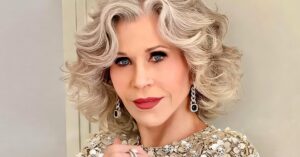

The Enduring Magic of Julia Roberts
Julia Roberts is more than just a movie star.
She is an icon whose smile, warmth, and talent have defined several generations of cinema.
From her early days in Hollywood to her status as one of the most respected actresses in the world, Julia Roberts has crafted a career that blends mainstream success with serious artistic achievement.
In this article, we will explore her life, her most important films, her impact on pop culture, and why audiences still love her today.
You will also find some helpful links along the way to learn more about her movies, career, and the film industry she helped shape.
Early Life and Path to Stardom
Julia Fiona Roberts was born on October 28, 1967, in Smyrna, Georgia, a suburb of Atlanta.
Her parents, Betty Lou Bredemus and Walter Grady Roberts, were both involved in acting and ran a small acting school for children.
Growing up around theater and performance, Julia was surrounded by stories, scripts, and creativity from an early age.
Despite this artistic environment, she did not originally dream of becoming an actress.
As a child, she once thought about becoming a veterinarian because she loved animals.
However, fate had a different plan.
After high school, Julia moved to New York City to pursue acting.
She signed with a modeling agency but soon realized that her real passion was performing.
She took acting classes and began auditioning for television and film roles.
Like many young actors, she faced rejection and small parts at first.
Yet, it did not take long before her natural charm and presence attracted attention in Hollywood.
Her early roles in television and smaller films opened the door to bigger opportunities.
Step by step, Julia Roberts was on her way to becoming one of the most recognizable faces in the world.
If you want to follow the journey of many actors like her, you can explore more about Hollywood’s casting process and how careers begin in the industry.
Breakthrough with “Pretty Woman”
Julia’s true breakthrough came with the romantic comedy “Pretty Woman” in 1990.
She played Vivian Ward, a lively and vulnerable sex worker who falls in love with a wealthy businessman, played by Richard Gere.
The film was directed by Garry Marshall and quickly became a global hit.
“Pretty Woman” was not only a box office success.
It turned Julia Roberts into a household name and a symbol of the modern romantic heroine.
Her performance combined humor, innocence, strength, and emotional depth.
She made Vivian feel real, lovable, and far more than a stereotype.
The movie continues to appear on many lists of the best romantic comedies of all time.
You can learn more about the film and its legacy on resources like IMDb’s Pretty Woman page.
Thanks to this role, Julia won a Golden Globe and earned an Academy Award nomination for Best Actress.
Her smile, her laugh, and her on-screen energy became instantly recognizable everywhere from magazine covers to talk shows.
It was not just that she was beautiful.
It was that she felt authentic.
Audiences believed her characters and connected with them emotionally.
This connection is one of the main reasons Julia Roberts has enjoyed such a long and successful career.
Building a Career as Hollywood’s Leading Lady
Romantic Comedies and Box Office Power
After “Pretty Woman,” Julia Roberts became the queen of the romantic comedy genre.
She starred in a run of successful films that helped define the spirit of 1990s and early 2000s cinema.
Movies such as “My Best Friend’s Wedding” (1997), “Notting Hill” (1999), and “Runaway Bride” (1999) became cultural touchstones.
In “My Best Friend’s Wedding,” she played Julianne, a food critic who realizes she is in love with her best friend just as he is about to marry someone else.
The film mixed heartbreak and humor in a way that felt both playful and honest.
In “Notting Hill,” she played Anna Scott, a famous actress who falls in love with an ordinary British bookshop owner, played by Hugh Grant.
This film gave audiences a clever, self-aware look at fame and romance, and included one of her most famous lines: “I’m just a girl, standing in front of a boy, asking him to love her.”
“Runaway Bride” reunited her with Richard Gere and director Garry Marshall.
The story of a woman who keeps leaving her grooms at the altar gave Julia the chance to show both her comedic timing and emotional vulnerability.
These films proved her ability to open movies and attract millions of viewers worldwide.
They also helped to shape the entire genre of romantic comedy.
Many later films tried to copy the mix of wit, charm, and emotional sincerity that Julia brought to these roles.
If you enjoy this type of film, you can explore curated lists of top romantic comedies to see how Julia’s movies compare to others in the genre.
Moving Beyond Romance: Dramatic Roles
While romantic comedies gave her fame, Julia Roberts did not allow herself to be limited to one type of role.
She soon began to explore deeper and more dramatic characters.
One of her most significant performances came in “Erin Brockovich” (2000).
In this film, based on a true story, she plays a single mother who becomes a legal assistant and takes on a powerful corporation responsible for water contamination in a small town.
Her performance is fierce, emotional, and full of humanity.
She portrays Erin as strong, stubborn, and compassionate, never turning her into a simple hero or a simple victim.
For this role, Julia Roberts won the Academy Award for Best Actress.
The film itself raised public awareness about environmental justice and corporate accountability.
You can learn more about the real case behind the film by exploring coverage of the Erin Brockovich story from environmental organizations.
After “Erin Brockovich,” Julia continued to take on a variety of challenging roles.
She appeared in dramas like “Closer” (2004), working with director Mike Nichols, and “August: Osage County” (2013), acting alongside Meryl Streep.
In these films, she tackled complex family relationships, pain, and betrayal.
Her ability to balance vulnerability with strength made her performances stand out, even in star-studded casts.
Julia Roberts in the 21st Century
Staying Relevant in a Changing Industry
Hollywood has changed a lot since Julia Roberts first became a star.
New streaming platforms, new stars, and new storytelling styles have reshaped the industry.
Yet Julia has managed to stay relevant by choosing interesting projects and adapting to new formats.
She took part in Stephen Soderbergh’s “Ocean’s Eleven” trilogy, playing Tess Ocean, the ex-wife of George Clooney’s character.
These stylish heist films showed that she could fit comfortably into ensemble casts and genre movies.
Later, she stepped into television and streaming with series like “Homecoming” on Amazon Prime Video.
“Homecoming” is a psychological thriller where Julia plays a caseworker at a secret facility for soldiers returning from war.
Her performance in the series proved that big-screen stars can successfully move into high-quality streaming projects.
You can learn more about the rise of streaming TV and prestige series to see how actors like Julia Roberts navigate this new landscape.
She also starred in films like “Eat Pray Love” (2010), based on the best-selling memoir, and “Wonder” (2017), where she played the loving mother of a boy with a facial difference.
Both films highlight her talent for portraying supportive, deeply empathetic characters.
Instead of relying only on romantic roles, she has shifted into playing mothers, professionals, and women at different stages of life.
This evolution has allowed her to age naturally on screen while staying connected to audiences.
Choosing Stories with Heart
One of the reasons people continue to care about Julia Roberts is the kind of stories she chooses.
Many of her films focus on personal growth, family, justice, and emotional honesty.
In “Wonder,” for example, she is part of a story about kindness, bullying, and acceptance.
The film encourages people to treat others with compassion, especially those who look different or face unique challenges.
This has made the movie popular with families and schools.
Resources like Common Sense Media often recommend such films for parents looking for meaningful entertainment.
In “Eat Pray Love,” Julia’s character goes on a journey of self-discovery across Italy, India, and Bali.
The film explores spirituality, love, and the search for personal happiness.
Many viewers connected with its message about rebuilding a life after loss or confusion.
By taking these roles, Julia Roberts shows that she is not only interested in box office success.
She wants to tell stories that matter to people on a deeper level.
The Julia Roberts Persona: Charm, Strength, and Authenticity
The Power of Her On-Screen Presence
When people think of Julia Roberts, they often think of her smile first.
That wide, genuine, unforgettable smile has become a symbol of her public image.
But her appeal goes far beyond looks.
On screen, she brings a mix of warmth, intelligence, and emotional honesty.
She is able to deliver quick comedic lines with ease and then shift into deeply moving dramatic moments.
This flexibility allows her to move between genres without losing credibility.
Many film critics point out that she has what old Hollywood called “star quality.”
This is a kind of energy that draws the camera and the audience toward her.
You can explore more discussions about star power and acting craft through resources like The Hollywood Reporter and Variety.
In scenes where she does not speak, her eyes and expressions still tell the story.
This ability to communicate emotion silently is one of the signs of a truly skilled actor.
Balancing Glamour with Relatability
Another key part of her persona is how she balances glamour with relatability.
Julia Roberts is one of the most famous and highest-paid actresses in Hollywood history.
She has walked red carpets, won Oscars, and appeared on countless magazine covers.
Yet, many fans feel that she still seems down-to-earth and approachable.
In interviews, she often appears relaxed, with a sense of humor and a willingness to laugh at herself.
This makes her seem more like a person you could know in real life instead of a distant celebrity.
She has also kept much of her private life out of the spotlight, choosing a more quiet family life away from constant media drama.
This choice helps maintain her image as stable, grounded, and genuine.
For many people, Julia Roberts represents a rare combination of movie star glamour and real-world humanity.
Awards, Records, and Achievements
Hollywood Recognition
Over the course of her career, Julia Roberts has earned respect not only from audiences but also from critics and industry professionals.
She has received multiple Academy Award nominations, winning Best Actress for “Erin Brockovich.”
She has also won several Golden Globe Awards.
At one point, she was the highest-paid actress in the world, reportedly earning $20 million or more per film.
This was a significant achievement in an industry where female actors have long faced pay inequality.
Her financial success helped open doors for other actresses to demand fair pay.
If you want to explore how women in Hollywood are pushing for change, you can read more through platforms that discuss gender equality in film.
Julia has also left her mark on popular culture in many ways.
She received a star on the Hollywood Walk of Fame, a symbol of her lasting influence on the entertainment industry.
Cultural Impact and Legacy
Julia Roberts is part of a small group of actors whose names alone can sell a movie.
Her face has appeared on posters around the world for decades.
For many viewers, certain films in their lives are tied to her performances.
People remember watching “Pretty Woman” with friends, seeing “Notting Hill” on dates, or crying over “Steel Magnolias.”
These shared experiences become part of our cultural memory.
Her influence can also be seen in the careers of younger actresses who followed her path.
Many have cited Julia as an inspiration for how to handle fame, choose roles, and remain authentic.
In discussions of romantic comedies and female-led films, Julia Roberts is almost always mentioned as a key figure.
She helped prove that a woman could be the center of a successful film, drive box office numbers, and still demand serious roles.
This has influenced filmmakers, producers, and casting directors across the industry.
Julia Roberts Off Screen: Family and Philanthropy
A Private Personal Life
Unlike some celebrities, Julia Roberts has tried to keep her personal life mostly private.
She married cinematographer Daniel Moder in 2002, and together they have three children.
They have often chosen to live away from the intense Hollywood spotlight, spending time in locations that offer more peace and privacy.
This has helped her maintain a balance between her professional and personal life.
By not turning her family life into constant news, she has been able to create a more normal environment for her children.
Fans respect her choice to protect her family from excessive media attention.
Giving Back and Supporting Causes
Julia Roberts has also used her fame to support various causes and charities.
Over the years, she has been involved in campaigns related to children’s health, environmental issues, and women’s rights.
She has worked with organizations such as UNICEF to bring attention to global issues affecting children and families.
You can learn more about these efforts by visiting the UNICEF website.
She has also taken part in documentaries and awareness campaigns about subjects like climate change and poverty.
By lending her voice and image to these causes, she helps attract media coverage and public attention.
This kind of activism shows that she understands the responsibility that comes with fame.
She is not just a performer but also a citizen who wants to contribute to the world.
Why Julia Roberts Still Matters Today
Timeless Appeal
In an era when trends change quickly and new stars appear every year, Julia Roberts has remained a constant presence.
Her movies continue to be rewatched, streamed, and recommended.
New viewers discover her work through streaming platforms, while long-time fans return to her films for comfort and nostalgia.
There is something timeless about her performances.
Love stories like “Notting Hill,” family dramas like “August: Osage County,” and inspiring tales like “Erin Brockovich” do not lose their emotional power.
They speak to human experiences that remain relevant, no matter the decade.
You can explore where to watch many of her films on services like JustWatch to find legal streaming options in your country.
A Role Model for Longevity
Julia Roberts also matters because she offers a model for a long, healthy career in Hollywood.
She did not disappear after a few big hits.
Instead, she thoughtfully chose projects that matched her age, interests, and evolving strengths as an actor.
She embraced more mature roles and did not try to stay forever stuck in the image of the young romantic lead.
This approach has given her career a natural flow and has kept her relevant to audiences of different ages.
For young actors and professionals in any field, her career shows the value of patience, smart choices, and staying true to yourself.
Exploring Julia Roberts’ Filmography
If you want to dive deeper into Julia Roberts’ body of work, it can be helpful to think of it in different phases.
Below is a simple way to explore her films based on theme and era.
Early Career Highlights
In her early years, Julia appeared in films that gave hints of her future star power.
Some of these include:
- “Mystic Pizza” (1988) – A coming-of-age story about three young women working in a pizza parlor.
- “Steel Magnolias” (1989) – A powerful Southern drama in which she plays a young woman struggling with health issues.
These movies showed her emotional depth and helped her win attention from critics and casting directors.
You can find more details and reviews of these films on sites like Rotten Tomatoes.
Classic Romantic Comedies
This phase includes many of her most beloved roles:
- “Pretty Woman” (1990)
- “My Best Friend’s Wedding” (1997)
- “Notting Hill” (1999)
- “Runaway Bride” (1999)
These films are ideal if you want light-hearted stories, strong chemistry, and memorable lines.
Serious Dramas and Awards
For a deeper look at her acting skills, consider:
- “Erin Brockovich” (2000)
- “Closer” (2004)
- “August: Osage County” (2013)
These movies explore difficult emotions, adult relationships, and social issues.
Later Work and Family Films
In recent years, some notable titles include:
- “Eat Pray Love” (2010)
- “Mirror Mirror” (2012) – A fantasy retelling of Snow White.
- “Wonder” (2017)
- “Homecoming” (TV series, 2018–)
These roles show her ability to move between genres and connect with audiences of all ages.
Conclusion: The Lasting Legacy of Julia Roberts
Julia Roberts is not just a performer with a few famous films.
She is a symbol of how charm, talent, and authenticity can come together to create a lasting legacy.
From the moment she appeared on screen in “Pretty Woman,” audiences sensed that there was something special about her.
Over the years, she has confirmed that first impression again and again.
She has carried romantic comedies, anchored serious dramas, and brought heart to family films.
She has earned awards, broken box office records, and inspired countless fans and future actors.
At the same time, she has built a life away from constant scandal, choosing to focus on family and meaningful projects.
Today, when people look back on the late 20th and early 21st century in film, Julia Roberts will stand among the most important and beloved stars.
Her work continues to entertain us, move us, and remind us that the right performance, given at the right moment, can live on forever.
If you want to continue exploring her impact, you might enjoy browsing more in-depth film analysis on sites like RogerEbert.com or following current discussions about cinema on Letterboxd.

Also Read : Britney Spears