
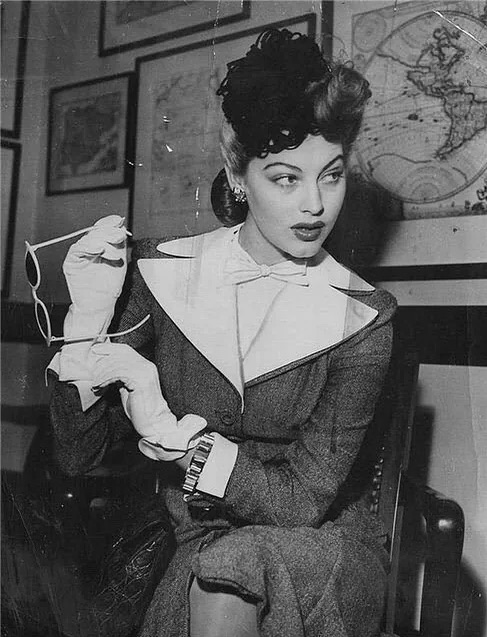
Ava Gardner remains one of classic Hollywood’s most magnetic stars.
She was famous for her beauty, yes.
But she also built a career on nerve, wit, and an on-screen intensity that still feels modern.
In this blog post, you’ll get an easy-English, professional look at Ava Gardner’s life and work.
You’ll also see why she matters beyond glamorous photos and old studio headlines.
And you’ll leave with a clear sense of her impact on film history and pop culture.
Why Ava Gardner Still Matters
Ava Gardner became a symbol of the Golden Age of Hollywood.
She also became something more complicated than a symbol.
Her story sits at the crossroads of studio power, celebrity culture, and a woman’s fight for autonomy.
She wasn’t the most technically trained actor of her era.
But she had presence that cameras loved.
She could project longing, danger, tenderness, and pride in a single close-up.
Her legacy matters because it shows how star power is made.
It also shows how a person can push back against the star system while benefiting from it.
That tension is part of what keeps people searching her name today.
If you want context on the era that shaped her, explore the history of the Golden Age of Hollywood.
Early Life: From North Carolina to Hollywood
Ava Lavinia Gardner was born in rural North Carolina in 1922.
Her early life was far from the film industry.
She grew up in a working-class family where money was tight and opportunities were limited.
Her move toward Hollywood was not a carefully planned career strategy.
It was a mix of timing, looks, and a system hungry for new faces.
Like many stars of that time, she entered the movie world through chance and scouting.
Hollywood in the 1940s ran on contracts and control.
Studios shaped everything from public image to private behavior.
That machine could create legends quickly, and it did.
To understand how studios managed actors, it helps to read about the studio system.
The MGM Years: Beauty, Contracts, and Pressure
Ava Gardner signed with MGM, one of the most powerful studios of the period.
MGM knew how to manufacture glamour.
It also knew how to manage risk, and Ava was often seen as “risk.”
She was marketed as stunning and exotic.
She was also criticized when she didn’t act the way executives expected.
This double standard was common for actresses then, and it still feels familiar now.
MGM invested in her, but not always with the best roles at first.
She had to fight for parts that showed depth.
The path from “pretty face” to respected performer was not automatic.
If you want a quick overview of MGM’s role in classic cinema, see Metro-Goldwyn-Mayer.
Breakthrough Roles That Built Her Reputation
Ava Gardner’s rise was not one single film.
It was a series of performances that slowly changed how the industry saw her.
She began to prove she could carry drama, romance, and moral complexity.
Her breakthrough is often linked to The Killers (1946).
The film helped lock in her image as irresistible and dangerous.
It also showed how well she fit the noir mood of the era.
You can explore the broader tradition through film noir.
The Killers: The Myth of the Femme Fatale
In The Killers, Gardner’s screen presence is the headline.
She feels like trouble wrapped in elegance.
Yet the performance also hints at vulnerability, which keeps it from being flat.
The role fed Hollywood’s appetite for femme fatale stories.
But it also gave Ava a platform to become more than a studio decoration.
Audiences remembered her, and the industry followed.
Mogambo: Stardom Under the Sun
Mogambo (1953) gave Gardner one of her most famous showcases.
The setting is lush and adventurous.
The emotions are raw, jealous, and human.
She won praise and major award attention for her work.
More importantly, the film showed she could dominate the screen with other big personalities nearby.
That is the mark of a true movie star.
For award history context, browse the Academy Awards.
The Night of the Iguana: A Later-Career High Point
By the 1960s, Hollywood was changing.
The old studio rules were weakening.
And Gardner’s later performances gained a sharper edge.
In The Night of the Iguana (1964), she brings warmth and realism.
The performance feels lived-in rather than posed.
It’s one of the best examples of her ability to hold a scene through honesty, not just glamour.
You can learn more about the play’s author via Tennessee Williams.
Acting Style: Not Perfect, But Powerful
Ava Gardner’s acting style was not always polished.
She could be uneven across projects.
But when the material fit, she delivered something hard to fake.
She worked best when a character had contradictions.
She could show pride and pain at the same time.
And she often communicated more through silence than speeches.
That is why some critics call her a “natural” rather than a “trained” actor.
Natural does not mean effortless.
It often means she took emotional risks that made scenes feel real.
Her best roles also highlight a key Hollywood truth.
Cinema is not only about technique.
It is also about presence, timing, and the ability to make viewers feel.
The Ava Gardner Image: Glamour vs. Reality
The public image of Ava Gardner was carefully shaped.
Studios and columnists sold a story of beauty and scandal.
And Ava, at times, both resisted and played into it.
She became known for a bold personality.
She was described as outspoken, restless, and unwilling to be managed.
That made her exciting to fans and frustrating to executives.
This is where her story becomes more than celebrity gossip.
It becomes a lesson in how fame can flatten a real person into a brand.
Ava Gardner’s brand was “wild,” but the real life behind it had costs.
To understand how celebrity news evolved, you can explore the history of tabloid journalism.
High-Profile Relationships and the Price of Public Love
Ava Gardner’s love life became part of her public narrative.
She married actor Mickey Rooney.
She later married bandleader Artie Shaw.
Her most famous relationship was with Frank Sinatra.
Their marriage was passionate, chaotic, and relentlessly public.
It played out in headlines in a way that would be even louder in today’s social media age.
It is easy to reduce these relationships to drama.
But there is a more human reading.
Gardner was looking for freedom and connection in a world that tried to own her image.
If you want background on her famous spouse, see Frank Sinatra.
Ava Gardner in Spain: Reinvention and Escape
One of the most interesting chapters of Gardner’s life is her long connection to Spain.
She spent significant time in Madrid.
She built friendships, routines, and a sense of distance from Hollywood pressure.
Spain offered her a kind of reinvention.
It also offered privacy compared to the U.S. celebrity machine.
For someone exhausted by control and gossip, that mattered.
This period also shaped how people remember her.
She became a figure of nightlife and legend in Madrid.
And she became a symbol of a star choosing life over image.
For cultural context, explore Madrid.
Critical Reassessment: What Modern Audiences See
Modern audiences often read Ava Gardner differently than audiences in the 1940s and 1950s.
Today, viewers notice how much of her story involves power dynamics.
They see the gap between how men were forgiven and how women were judged.
They also see her as a transitional figure.
She was made by the studio era.
But she lived with the temperament of a more modern celebrity who resists control.
Streaming and online film communities have helped bring her back into conversation.
People discover classic films through curated lists and archives.
And they often land on Gardner because she still feels alive on screen.
If you want to explore film preservation and classic cinema access, see the Internet Archive.
Best Ava Gardner Movies to Watch First
If you are new to Ava Gardner, start with a small, smart watchlist.
These films show her range and why her reputation lasts.
They also represent different phases of her career.
Starter Watchlist
- The Killers (1946).
- Mogambo (1953).
- The Night of the Iguana (1964).
- Show Boat (1951).
- The Barefoot Contessa (1954).
If you like exploring credits and filmographies, you can browse her work on IMDb.
The Barefoot Contessa: A Film That Mirrors Her Myth
The Barefoot Contessa (1954) deserves special mention.
It is a story about a woman turned into a symbol by powerful men.
That theme echoes Gardner’s real-life relationship with the celebrity machine.
The film is not subtle about its critique of fame.
Yet it also enjoys the glamour it critiques.
That contradiction makes it an interesting companion to Gardner’s own life story.
Watching it now can feel like reading a warning label on stardom.
It asks who benefits from a woman’s image.
And it asks what the woman loses in exchange.
The Business Side: How Hollywood Used and Limited Her
Ava Gardner’s career shows how Hollywood economics shaped art.
Studios wanted bankable images.
They often feared actors who did not behave predictably.
Gardner’s independence sometimes cost her.
Some roles were lost due to reputation or politics.
Some opportunities shifted as tastes changed and new stars arrived.
Still, she remained a headline name for years.
That is not only talent.
That is cultural force.
For broader context, read about Hollywood.
Style, Fashion, and the Making of an Icon
Ava Gardner’s look became part of her legend.
Her hair, posture, and camera-friendly features were endlessly copied.
Fashion photography helped lock her into the “timeless beauty” category.
But what made her style work was attitude.
She wore clothes like she owned the room.
That confidence is what many fans still try to capture when they reference her today.
If you enjoy classic fashion history, you can explore Old Hollywood glamour.
Controversies and Complexity: The Honest View
Ava Gardner’s story includes choices that deserve critical attention.
Some accounts describe heavy drinking and volatile conflicts.
Some stories are likely exaggerated by the gossip industry.
The honest approach is balanced.
She was not a perfect hero.
She was a talented, complicated person living under extraordinary public pressure.
It is also important to remember the context.
Mental health support and privacy were not standard for celebrities then.
And the studio era often treated personal struggles as marketing material.
This is part of why her life fascinates writers and filmmakers.
It is dramatic, yes.
But it is also revealing about fame itself.
Lessons From Ava Gardner for Today’s Celebrity Culture
Ava Gardner’s career feels relevant in the age of constant visibility.
She lived in a world where image was currency.
That is also our world now, just with faster tools.
Her story teaches a few clear lessons.
First, beauty opens doors but does not protect you.
Second, a public persona can become a prison.
Third, control of your narrative matters.
Gardner did not always win that fight.
But her resistance is part of her appeal.
If you want a modern comparison point, look into the concept of parasocial interaction.
Final Thoughts: Ava Gardner Beyond the Legend
Ava Gardner was more than a glamorous face in studio lighting.
She was a performer who could electrify the screen when the role fit.
And she was a person who pushed against the limits placed on her.
Her life invites both admiration and critique.
It also invites empathy.
Because the brighter the spotlight, the darker the shadows can become.
If you watch her best films today, you will see why she endures.
The camera loved her.
And audiences still do.
Also Read : Nikki Glaser