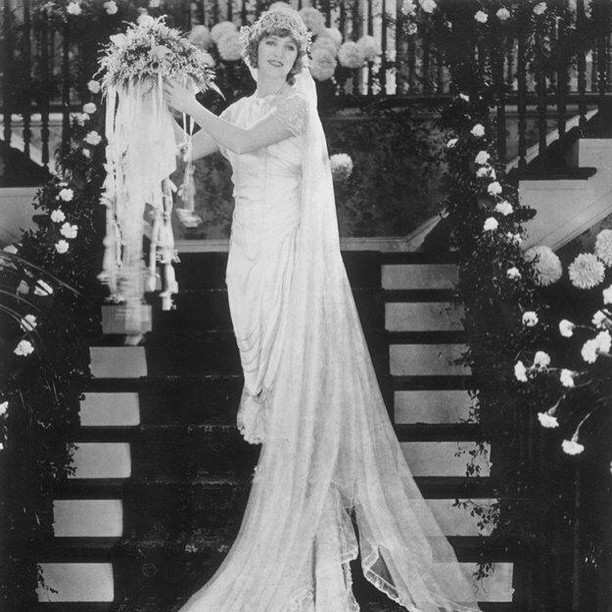
Mary Pickford is one of the most important names in early Hollywood history.
She was not just a famous actress.
She was a businesswoman, a producer, and a power figure who helped shape what the film industry became.
Today, many people recognize her as “America’s Sweetheart,” yet that label only tells part of her story.
Behind the curls and the youthful roles was a sharp mind that understood fame, money, contracts, and audiences better than most of her peers.
This blog post explores Mary Pickford’s life, her rise to stardom, her influence on cinema, and why her legacy still matters.
It also looks at the myths around her image and the real choices she made to gain control in a male-dominated industry.
Early Life: From Toronto to the Stage
Mary Pickford was born as Gladys Louise Smith in Toronto, Canada, in 1892.
Her family did not have much money.
That reality pushed her toward work at a very young age.
When her father died, the household faced even more pressure.
The theater became a practical option, not a fantasy.
She performed on stage as a child and learned discipline the hard way.
These early years shaped her toughness.
They also shaped her ability to read an audience and adjust quickly.
That skill later became one of her greatest strengths on screen.
If you want a quick overview of her basic filmography and milestones, you can start with Mary Pickford.
The Silent Film Era and a New Kind of Celebrity
Mary Pickford entered the film world when cinema was still young.
Movies were shorter then and often treated as low prestige compared to theater.
But the camera loved her.
She worked with director D. W. Griffith early in her film career.
Those experiences helped her understand framing, performance style, and how editing shaped emotion.
She wasn’t just acting.
She was studying the craft.
The silent era demanded expressive storytelling.
Actors had to communicate complex feelings without spoken dialogue.
Pickford mastered this form.
She delivered emotion with her eyes, posture, and timing.
Her screen persona often centered on youth.
She played girls long after she stopped being one.
Audiences loved it.
Studios profited from it.
At the same time, that sweet image became a cage.
It sold tickets, but it also limited the kind of roles she could take without risking public backlash.
This tension between brand and freedom followed her for years.
For context on the broader period, Silent film history helps explain why stars like Pickford became cultural forces so quickly.
“America’s Sweetheart” Was a Brand, Not a Personality
The nickname “America’s Sweetheart” sounds flattering.
It also sounds simple.
But it was strategic.
Studios and publicity teams built identities that audiences could trust.
Pickford’s image was built around innocence, resilience, and moral clarity.
This fit the values many viewers wanted to see reflected on screen.
Yet real people are never only one thing.
Pickford was ambitious.
Pickford was calculating in business.
Pickford negotiated with studios in ways that shocked executives at the time.
The contrast is important.
It shows that early Hollywood was already a place where public identity and private reality could be very different.
Pickford did not just accept that system.
She used it.
If you want to explore how film celebrity culture formed, Hollywood background reading makes her rise easier to understand.
Money, Contracts, and Control: Why Pickford Was Revolutionary
One reason Mary Pickford matters is that she demanded power, not just paychecks.
She became one of the highest-paid performers in the world.
That alone was extraordinary for the time.
But the bigger story is control.
Pickford pushed for better contracts and profit participation.
She wanted a say in scripts, production choices, and distribution.
This was not typical.
In early studio systems, actors were often replaceable.
Pickford made herself unreplaceable.
Then she turned that leverage into ownership.
Her success helped prove that an actor could be a brand and a business at the same time.
That idea is now common in entertainment.
In her era, it was disruptive.
To understand the power shift she helped trigger, it helps to learn about film distribution and why controlling it changes everything.
United Artists: A Bold Move That Changed Hollywood
Mary Pickford was a co-founder of United Artists in 1919.
She built it with Charlie Chaplin, Douglas Fairbanks, and D. W. Griffith.
That list alone shows the scale of the ambition.
United Artists was designed to give filmmakers more independence.
It aimed to break the tight grip studios had on production and release.
It was not a perfect system.
It had challenges.
Still, it represented a major shift.
It showed that creators could try to own their work and their revenue streams.
That concept remains central to modern debates about creative control.
For readers who want a snapshot of this company’s origins, United Artists is a useful starting point.
Her Most Famous Films and the Craft Behind Them
Mary Pickford made many films, and not all have remained equally visible to modern audiences.
Some titles are easier to find today through archives and restorations.
Others are still difficult to access.
A few works often discussed in relation to her legacy include “Pollyanna,” “Little Lord Fauntleroy,” and “Coquette.”
These films show different stages of her career and the kind of roles she used to shape her public identity.
Her performances were carefully calibrated.
They weren’t random bursts of emotion.
They were built to read clearly on screen, even in small gestures.
When modern viewers watch silent films, the acting can look “big.”
That is partly because the medium required clarity across large theaters and imperfect projection.
Pickford understood that and used it with precision.
If you want to explore surviving silent-era works and preservation, film preservation resources help explain why some Pickford films are rare today.
Mary Pickford and Douglas Fairbanks: Fame as a Public Story
Mary Pickford’s personal life became part of her public identity.
Her marriage to Douglas Fairbanks was treated like a celebrity event on a national scale.
They were presented as a glamorous couple representing Hollywood’s promise.
But fame adds pressure.
A relationship becomes a symbol.
Private struggles become public speculation.
Their partnership also had professional implications.
Fairbanks was a huge star.
Together, they represented a new kind of celebrity power that studios had to take seriously.
This period helped define how Hollywood sold lifestyle fantasies alongside movies.
It also previewed the modern idea of celebrity branding.
For readers interested in the larger story of film celebrity culture, classic Hollywood history gives helpful context.
The Transition to Sound: A Turning Point
The arrival of sound changed everything.
Some silent stars adapted easily.
Others did not.
For Mary Pickford, the transition was complicated.
She had built a career on a specific screen identity, including youthful roles and silent-era performance style.
Sound demanded new rhythms, new realism, and a different relationship with the audience.
Her film “Coquette” earned her an Academy Award.
That achievement proves she could succeed in sound cinema.
Yet the industry was evolving fast, and so were audience expectations.
Pickford eventually stepped away from acting.
This was not just about technology.
It was about timing, image, and the difficulty of reshaping a brand that had become iconic.
To understand why the change was so dramatic, reading about sound film helps explain the industry shock of the late 1920s.
Cutting Her Hair: A Small Act With Big Meaning
One of the most talked-about moments in Pickford’s image shift was when she cut her famous curls.
To modern readers, that may sound like a simple style change.
At the time, it carried symbolic weight.
Those curls were part of her identity.
They were part of what audiences paid to see.
Changing them meant changing the product.
This moment reveals how tightly controlled star images were.
It also shows how difficult it was for a woman in entertainment to age publicly.
Pickford’s “sweetheart” persona depended on youth.
Time was the enemy of that brand.
In many ways, her hair became a metaphor.
It represented ownership of image, but also the cost of being owned by an image.
Business Legacy: Producer Power and Industry Influence
Mary Pickford was not only in front of the camera.
She was involved behind it.
Her producer work and ownership interests mattered.
She helped build an argument that creative professionals deserve financial participation.
She also demonstrated that women could operate at the highest business levels in entertainment.
Her legacy is especially relevant now, when conversations about representation and decision-making power are ongoing.
Pickford’s career shows that these debates are not new.
They were present at the birth of Hollywood.
For readers who want to explore how producers shape films, film production background can clarify why Pickford’s behind-the-scenes role was so significant.
Critical View: The Limits of Her Image and the Complexity of Her Era
Celebrating Mary Pickford does not require pretending everything about her era was perfect.
Early Hollywood operated within social limits that affected who could get roles, who could become a star, and what stories could be told.
Pickford benefited from the system in some ways.
She also challenged it in others.
That combination is what makes her worth studying.
Her public persona sometimes reinforced idealized innocence.
That could narrow the space for more complex female characters.
At the same time, her business actions quietly expanded what women could do behind the curtain.
This is a useful reminder.
Cultural progress is not always clean or simple.
People can be both symbols of tradition and forces of change.
Why Mary Pickford Still Matters Today
Mary Pickford matters because she was early proof that creative workers could be owners.
She matters because she helped define modern stardom.
She matters because she showed how image, media, and money connect.
If you care about Hollywood history, her story is essential.
If you care about women’s leadership in entertainment, her story is foundational.
If you care about celebrity culture, her story is a blueprint.
Even if you have never seen one of her films, you have seen the world that her choices helped build.
Every actor-producer deal, every creator-owned studio effort, and every conversation about branding carries traces of Pickford’s era.
For those who want to explore her impact through preserved artifacts and historical work, Academy of Motion Picture Arts and Sciences collections and history pages can be a helpful doorway.
Conclusion: More Than “America’s Sweetheart”
Mary Pickford was a performer with exceptional skill.
She was also a strategist who understood power.
Her sweet image was real enough to move audiences, but it was also a carefully managed identity.
Her biggest achievement may not be a single film.
It may be the fact that she helped change the rules of the industry itself.
She proved that a star could be a decision-maker.
She proved that influence could be formalized into ownership.
That is why Mary Pickford remains a major figure in film history.
Not because she was simply adored.
Because she built something enduring.
Also Read : Nikki Glaser