
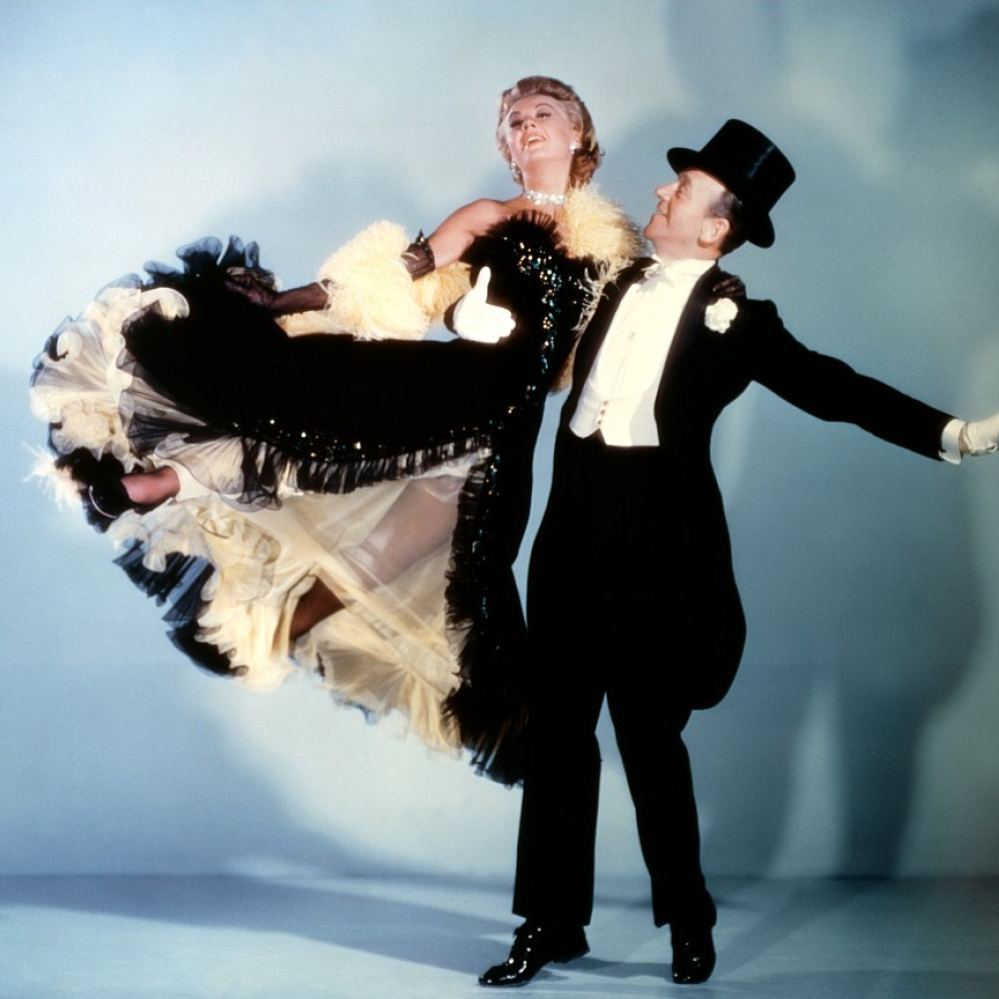
Fred Astaire remains one of the most influential entertainers in Hollywood history.
He blended dance, film, music, and style into a signature that still feels modern.
Even if you have never watched a classic musical, you have likely seen his impact everywhere.
His work shaped the language of screen dance and helped define what “movie magic” looks like.
Astaire was not just a great dancer.
He was a complete performer with rare discipline and taste.
He cared about rhythm, camera angles, lighting, wardrobe, and story flow.
That full-package mindset is why he still ranks among the greatest film artists of the 20th century.
This article explores Fred Astaire’s life, career, style, and lasting legacy.
It also examines why his work matters in today’s entertainment landscape.
Along the way, you will find practical viewing tips and cultural context.
The goal is to make his world easy to enter, even if you are new to classic cinema.
The Fred Astaire Story: From Early Life to Global Fame
Fred Astaire was born Frederick Austerlitz.
He became known to the world as a symbol of elegance and precision.
His rise was not instant, and it was not effortless.
It was built through years of training, touring, and constant refinement.
He grew up in a family that supported performance.
His mother recognized talent early and pursued opportunities with focus.
Astaire trained hard and learned to treat performing as a craft.
That seriousness would define his entire career.
From a young age, he worked in partnership with his sister, Adele.
They performed in vaudeville and stage productions.
Their act gained attention for its charm and high standards.
Their success helped open doors in Broadway-level entertainment.
When Adele later stepped away from performing, Fred faced a major turning point.
He had to rebuild his identity as a solo star.
Many performers struggle when a famous partnership ends.
Astaire used the moment to sharpen his individuality and expand his range.
His move into film would change everything.
Hollywood musicals were evolving quickly during the early sound era.
Studios were searching for performers who could sing, act, and move naturally on camera.
Astaire delivered all of that with a fresh, relaxed confidence.
If you want a broad look at the era of Hollywood filmmaking, exploring the history of the Golden Age of Hollywood can help frame Astaire’s rise.
It also explains why musicals became such a powerful form of popular storytelling.
Astaire’s Breakthrough in Hollywood Musicals
Fred Astaire’s early film career is often discussed as if success was guaranteed.
In reality, the industry did not immediately understand what he represented.
He did not match the traditional “leading man” type of the era.
Yet his screen presence quickly proved more valuable than conventional looks.
He became a major star through musical films that emphasized movement and charisma.
He made dance feel conversational.
He made rhythm feel like personality.
He made romance feel playful instead of stiff.
Astaire’s breakthroughs were strongly linked to the development of movie musicals.
The musical was not only a genre.
It was also a technical challenge.
It required synchronized sound, choreography, staging, and cinematography working together.
Astaire pushed for dance numbers to be filmed with clarity.
He preferred longer shots that showed full-body movement.
He disliked excessive cutting that broke the illusion of real performance.
That preference shaped the visual grammar of screen dance for decades.
For readers who want to explore the broader tradition of musical cinema, the idea of a musical film is useful context.
It explains how dance and story have been combined across different eras and cultures.
The Astaire Style: What Made Him Different
Effortless Elegance That Was Actually Hard Work
Astaire’s key magic was that he made difficulty look easy.
That “effortless” feeling was the result of intense preparation.
He rehearsed tirelessly and cared about tiny details.
His calm expression often hid the athletic demand of what he was doing.
His dancing was not only about steps.
It was about timing, weight, and musical phrasing.
He treated the body like an instrument.
He also treated the camera like a partner.
This is why his performances still hold attention.
Many older films feel distant to modern audiences.
Astaire often feels surprisingly current.
He moves with an emotional logic that reads clearly even now.
The Suit, the Hat, and the Image of Modern Sophistication
Astaire’s look became almost as famous as his dancing.
He helped popularize a sleek, tailored image of masculine elegance.
Top hats, tuxedos, and polished shoes became part of his brand.
His costumes supported the dance rather than distracting from it.
Fashion was not just decoration in his films.
It was visual storytelling.
It communicated confidence, romance, and lightness.
It also helped create a consistent identity across different movies.
If you want to understand why his image became iconic, it helps to look at the culture of men’s formal wear and how Hollywood amplified it.
Astaire’s style helped formal clothing feel playful rather than rigid.
Fred Astaire and Ginger Rogers: The Partnership That Defined an Era
Any discussion of Astaire usually brings up Ginger Rogers.
Their pairing became one of the most famous dance partnerships in film.
They balanced each other in ways that audiences instantly understood.
Their chemistry made sophisticated dance feel emotionally accessible.
Rogers brought sharpness, warmth, and comic timing.
Astaire brought refined musicality and fluid control.
Together they created a romantic fantasy grounded in precision.
Their films helped set the gold standard for screen partnerships.
It is important to note that Rogers was not simply “the partner.”
She matched Astaire’s demands while delivering acting range and personality.
She helped make the dances feel like scenes rather than exhibitions.
That is a major reason those movies still play well today.
Their work also shaped how romance was portrayed in musicals.
Instead of long speeches, movement carried the emotion.
Instead of melodrama, they often used charm and wit.
The tone was mature without being heavy.
If you want an overview of Rogers’ broader career, you can explore Ginger Rogers for context.
If you want a direct look at Astaire’s filmography, Fred Astaire provides a structured starting point.
The Art of Filmed Dance: Astaire’s Technical Impact
Camera Choices and Choreography as One System
Astaire treated dance sequences as carefully engineered scenes.
He wanted the camera to respect the choreography.
He argued that viewers should see the full movement and understand spatial design.
That approach is still praised by choreographers and directors today.
In many modern music videos, rapid cutting creates energy.
Astaire’s method created trust.
The audience could believe the performance was real.
That sense of authenticity became part of the pleasure.
His films demonstrate an early understanding of what “screen choreography” means.
Dance was designed not just for a stage.
It was designed for the frame.
Angles, distance, and timing were chosen to enhance clarity.
For anyone interested in how dance is structured, learning about choreography helps explain why Astaire’s sequences remain so readable.
It also shows why his work is frequently studied in dance education.
Musicality and Storytelling Through Movement
Astaire’s dance was not only athletic.
It was narrative.
He used rhythm to show emotion and intention.
He used pauses and accents like punctuation.
His performances often begin casually.
They build into complexity without feeling forced.
They resolve with a visual “full stop” that feels satisfying.
That structure mirrors good writing and good music.
He also collaborated with composers and arrangers who supported his taste.
Songs in his films were chosen and shaped with dance in mind.
That integration made numbers feel like they belonged to the story world.
It also helped audiences remember melodies long after the movie ended.
Signature Films and Must-Watch Performances
Astaire made many films across several decades.
Some are essential viewing for newcomers.
Others are especially important for understanding his range.
“Top Hat” and the Fantasy of Perfect Sophistication
“Top Hat” is often recommended as an entry point.
It captures the polished charm associated with Astaire and Rogers.
It also showcases how comedy, romance, and dance can flow together.
The film offers a clear example of the classic studio musical at its best.
“Swing Time” and Emotional Depth
“Swing Time” adds emotional shading to the partnership.
The dance scenes carry longing as well as joy.
Astaire’s control of tone becomes more visible here.
He can be light without being shallow.
“Easter Parade” and the Mature Star Persona
“Easter Parade” shows Astaire in a slightly different phase.
The film reflects an older, more seasoned persona.
It also proves that his charm was not limited to one formula.
He adapted to new co-stars and new rhythms while keeping his identity intact.
If you are building a watchlist, browsing a curated catalog on Turner Classic Movies can help you find available screenings and context.
For quick access to summaries and credits, IMDb is a practical tool for tracking titles and collaborators.
Fred Astaire’s Work Ethic and Perfectionism
Astaire’s reputation for perfection was not a myth.
He was known for repeating takes until everything felt right.
He respected audiences enough to avoid shortcuts.
He also respected fellow artists by showing up prepared.
That perfectionism could be demanding.
Yet it produced results that still feel clean and satisfying.
In dance, small inaccuracies are visible.
Astaire built a career on eliminating those distractions.
His work ethic also protected his brand.
He became associated with quality.
Studios could sell “an Astaire picture” as a promise of excellence.
That trust is difficult to earn and easy to lose.
Critical Perspective: What the Films Show, and What They Hide
Astaire’s legacy is brilliant, but it is not beyond critique.
Classic Hollywood musicals often reflect the limits of their era.
They can present glamor while ignoring social realities.
They can also contain stereotypes that feel uncomfortable today.
Some films from that period included racial caricatures or exclusionary casting practices.
Modern audiences should not ignore that history.
Instead, it should be acknowledged clearly and discussed honestly.
It is possible to admire artistry while recognizing cultural harm.
This balance matters because it makes appreciation more intelligent.
It also keeps historical discussion from becoming propaganda.
Astaire’s achievements remain extraordinary.
At the same time, the industry that celebrated him had structural problems that shaped what was seen on screen.
If you want broader background on how the studio system worked, reading about the studio system can clarify why certain patterns repeated across many films.
It also explains how power and access influenced what stories were told.
Influence on Modern Dance, Film, and Pop Culture
Astaire’s influence is not limited to classic film fans.
His methods can be seen in modern movie musicals and stage adaptations.
His visual style echoes in commercials, music videos, and awards shows.
Even performers who never studied him directly often inherit his grammar.
He influenced how male dancers are presented in mainstream media.
He helped normalize the idea that dance could be masculine, romantic, and refined.
He also proved that technical mastery can coexist with humor.
That mix is still rare and still valuable.
Filmmakers who care about dance on camera often return to Astaire as a model.
They study his use of space and his respect for the audience’s eye.
They study how movement and story can support each other.
They study how restraint can be more powerful than spectacle.
If you are interested in how later generations revived the musical, exploring modern examples through the lens of film musical history can be enlightening.
You can trace how Astaire’s priorities reappear whenever directors choose clarity over chaos.
Fred Astaire Beyond Dance: Acting, Singing, and Screen Presence
Astaire was also a skilled actor.
His acting style was conversational and understated.
He rarely overplayed emotion.
He let timing and posture do much of the work.
He could carry comedy without turning it into noise.
He could play romance without becoming syrupy.
That balance made him believable inside fantasy worlds.
It also allowed his films to age gracefully.
His singing was similarly tasteful.
He was not always the loudest vocalist.
He was often the most musical storyteller.
That made songs feel personal rather than staged.
This matters for SEO-focused readers searching for “Fred Astaire singing” or “Fred Astaire acting.”
He was not famous for only one skill.
He was famous for integration.
That integration is exactly why his performances still feel complete.
How to Watch Fred Astaire Today
Many people assume classic films are hard to access.
In reality, Astaire’s work is widely available through various channels.
Availability changes by region and licensing schedules.
Still, you can usually find a path.
Start by searching reputable streaming services in your country.
Then check classic film hubs and digital rental options.
Libraries and university collections often carry restored editions.
Classic cinema also appears regularly in curated broadcasts.
Using resources like JustWatch can help you locate where a specific title is streaming.
Using The Criterion Collection can help if you want restorations and extras for deeper study.
Why Fred Astaire Still Matters
Fred Astaire matters because he represents a high standard of craft.
He shows what happens when talent meets discipline and taste.
He shows that entertainment can be intelligent without becoming heavy.
He shows that joy can be engineered with precision.
He also matters because his films capture a particular dream of elegance.
That dream can be comforting.
It can also be inspiring.
In a noisy media world, his clarity feels like a relief.
At the same time, watching Astaire today invites thoughtful viewing.
You can enjoy the artistry while noticing what the era normalized.
You can celebrate innovation while discussing limitations.
That combination makes classic cinema more meaningful, not less.
Fred Astaire remains a benchmark.
He is a reminder that performance is both art and labor.
He is a reminder that the camera can dance too.
And he is proof that true style does not expire.
Also Read : Greta Garbo