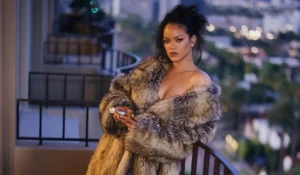

Ana de Armas is one of the most discussed actresses in modern cinema.
Her career shows how talent, timing, and smart choices can build international fame.
She is known for balancing mainstream appeal with serious acting ambition.
That balance makes her a strong subject for anyone interested in film, celebrity culture, and performance craft.
This blog post offers a clear profile of Ana de Armas, written in easy English.
It combines critical analysis with entertainment value while keeping a professional tone.
Early Life and Background
Ana Celia de Armas Caso was born in Cuba.
Her early environment shaped her discipline and focus.
Cuba’s film culture is smaller than Hollywood, but it values training and stage-ready performance.
That background helped her develop strong screen presence early.
She studied acting at the National Theater School of Cuba.
Formal training gave her technical control, especially in voice, movement, and emotional pacing.
Her first recognition came from Spanish-language work.
Those early roles helped her understand camera rhythm and audience expectations.
For readers who want a quick overview of her filmography, you can explore her profile on IMDb.
It is a useful way to track credits across countries and genres.
Breakthrough and International Transition
Moving from Cuba to international markets is not a simple career step.
It involves language pressure, cultural adjustment, and typecasting risks.
Ana de Armas moved into Spanish productions and gained wider attention.
This stage of her career built visibility and proved she could carry popular projects.
Her later move toward English-language roles required intense effort.
Learning to act in a new language is not only about vocabulary, but also timing and emotional authenticity.
She entered Hollywood at a time when global casting was expanding.
Studios increasingly wanted actors who could appeal across regions and streaming platforms.
Her rise also reflects how modern fame works.
Today, audience discovery comes from cinemas, streaming, interviews, and social media combined.
To understand how modern global casting trends work, Variety often covers industry shifts in accessible language.
It can provide context for how international actors gain traction in the U.S. market.
Key Films and Roles
Ana de Armas has built a filmography that mixes blockbuster visibility with dramatic credibility.
This mix supports long-term career stability in a competitive industry.
Blade Runner 2049 and Visibility
Her role in Blade Runner 2049 gave her major exposure.
Even with limited screen time, she created a memorable emotional tone.
The performance showed control and restraint.
It also proved she could stand out within a visually dominant film.
The movie’s global reach helped her name recognition.
It placed her in serious, director-led cinema rather than only light entertainment.
For background on the film’s cultural footprint, Rotten Tomatoes is useful for reviews and audience response patterns.
It helps show how a role can become iconic beyond its minutes on screen.
Knives Out and Star Power
Knives Out pushed her into a new level of fame.
The film demanded both charm and emotional clarity.
Her character carried audience sympathy without becoming simplistic.
That ability is difficult in ensemble stories where attention is shared.
She balanced vulnerability with intelligence.
This made the performance feel grounded even when the plot became playful.
The role also positioned her as a bankable lead.
It proved she could drive a film that depends on character connection, not only spectacle.
To explore the wider popularity of ensemble mysteries, The Hollywood Reporter often analyzes audience trends.
That kind of reporting helps explain why certain star performances break through.
No Time to Die and Blockbuster Credibility
Her appearance in No Time to Die expanded her mainstream profile.
It also showed she can elevate a traditional franchise role with personality.
The performance delivered energy and precision.
It suggested careful preparation and strong collaboration with direction and choreography.
Importantly, the role did not depend only on glamour.
It used humor, tension, and quick emotional turns that made the character feel alive.
For those interested in franchise casting and cultural response, BBC Culture can offer thoughtful perspectives.
It often treats pop cinema seriously without becoming difficult to read.
Blonde and Controversy
Blonde became a highly debated project.
It placed Ana de Armas in a difficult creative and ethical conversation about biographical storytelling.
Her portrayal required major transformation.
It also required taking on a role tied to one of the most analyzed public figures in film history.
Critically, many discussions focused on the film’s approach rather than only her acting.
That is common when a project is polarizing in tone and subject matter.
Her performance was often described as committed and intense.
At the same time, debate continued over whether the film’s framing was fair or exploitative.
This kind of situation shows how actors can be judged on two levels at once.
They are evaluated for craft, but also for the moral and artistic choices of the full production.
If you want broader context on biopic debates, The Guardian frequently publishes opinion-driven film analysis.
It can help readers compare multiple critical positions.
Acting Style and Strengths
Ana de Armas’s acting style often blends intimacy with clarity.
She tends to make emotions readable without making them exaggerated.
A key strength is her use of small reactions.
Micro-expressions, pauses, and shifts in tone often do more than long speeches.
She also handles genre changes effectively.
Moving between sci‑fi, mystery, action, and drama requires control over pacing and energy.
Her screen presence is warm but not passive.
That combination helps her play characters who seem approachable yet determined.
Another strength is her responsiveness to scene partners.
Good acting often looks like listening, and she consistently appears engaged in the moment.
Public Image, Media Attention, and Modern Celebrity
Ana de Armas is frequently covered in entertainment media.
Her public image blends fashion visibility with a relatively private personal style.
Modern celebrity can be both an asset and a burden.
Visibility increases opportunities, but it also increases speculation and narrative pressure.
She appears to manage this by focusing public conversations on work.
That approach often supports longevity, especially for actors who want to be taken seriously.
Fashion is also part of her public identity.
Red-carpet choices can shape branding, magazine coverage, and audience memory.
For readers interested in fashion’s role in celebrity branding, Vogue provides accessible coverage of style and cultural framing.
It is a practical way to see how image and career promotion overlap.
Career Strategy and Industry Position
Ana de Armas’s career suggests deliberate strategy.
She takes roles that expand skill, audience reach, and professional credibility.
Working with respected directors can be a long-term investment.
These collaborations can lead to better scripts, stronger press framing, and awards attention.
At the same time, she remains present in popular cinema.
This prevents her from becoming limited to niche prestige projects.
Her path reflects a wider shift in the industry.
Streaming, global distribution, and international casting have created new routes to stardom.
In practical terms, her brand now includes three elements.
It includes talent, versatility, and global appeal.
That combination is valuable in current Hollywood economics.
Studios want recognizable names who can travel across markets and genres.
Cultural Impact and Audience Connection
Ana de Armas resonates with audiences for more than one reason.
Viewers often respond to her emotional accessibility on screen.
She also represents a modern international success story.
Many fans see her career as proof that language and origin do not limit ambition.
Her impact is also visible in online discussion.
Clips, interviews, and performances circulate quickly, shaping reputation in real time.
This speed can amplify both praise and criticism.
It means each project can significantly shift public perception.
Yet her continued demand suggests lasting interest.
Sustained attention usually depends on consistent performance quality and smart role selection.
What Comes Next
Future choices will define the next phase of her career.
The key question is how she balances visibility with risk.
Taking challenging roles can raise artistic status.
However, the wrong project can create controversy that overshadows performance.
Blockbuster work offers stability and wide recognition.
But too many similar roles can reduce the sense of growth.
The strongest path is usually a mix.
A blend of accessible hits and selective prestige projects often supports long-term relevance.
For fans and film observers, her next releases will be closely watched.
They will show whether she continues to expand range or leans into a signature type.

Also Read : Alexandra Daddario JANUARY SPOTLIGHT