




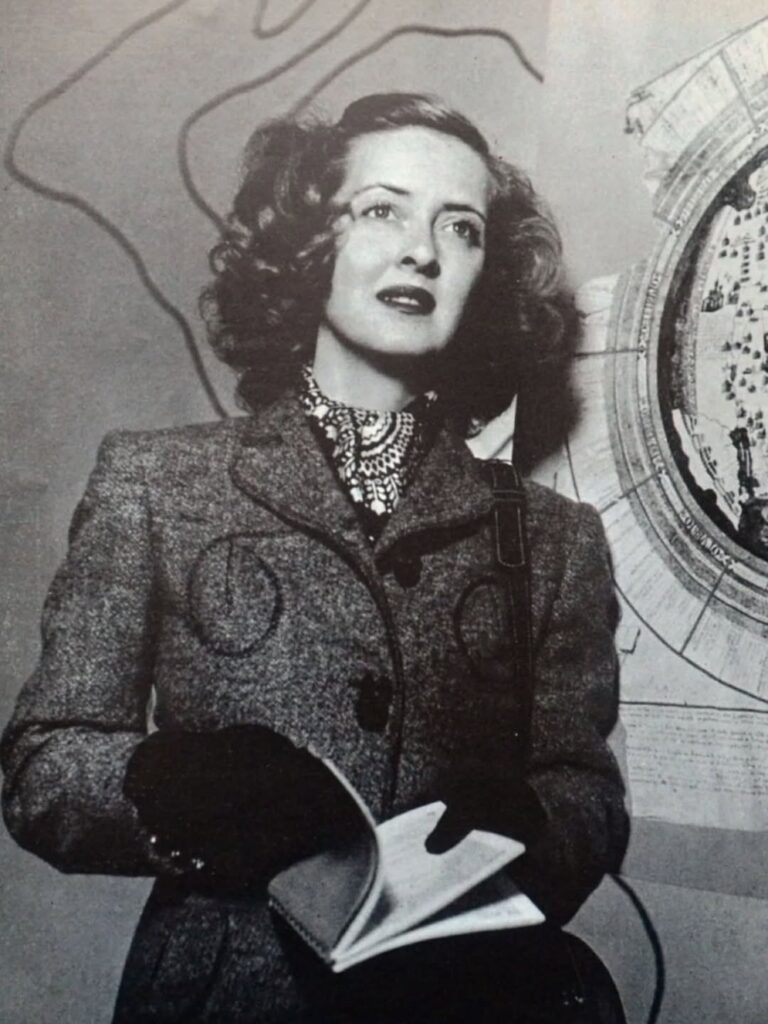
Bette Davis remains one of the most fascinating names in classic Hollywood history.
She was not built to be “easy to like” on screen, and that is exactly why audiences could not look away.
In an era when studios tried to polish actresses into perfect, agreeable stars, Davis pushed back with intelligence, intensity, and a fearless sense of self.
Her career became a masterclass in ambition, reinvention, and the power of choosing difficult roles.
This post explores Bette Davis as a performer, a cultural force, and a professional who helped reshape what leading women could be in American cinema.
If you are searching for an engaging, SEO-friendly guide to Bette Davis movies, awards, and legacy, you are in the right place.
Why Bette Davis Still Matters Today
Bette Davis matters because she changed the idea of what a female star could do with a script.
She proved that a woman on screen could be sharp, morally complicated, and still magnetic.
Even now, modern viewers recognize her influence in prestige dramas and character-driven storytelling.
When you watch her work, you can see the DNA of today’s anti-heroes and “difficult women” protagonists.
Davis also matters because she openly challenged the studio system.
Her fight for better roles became part of the larger story of artistic freedom in Hollywood.
For readers who love classic film, her name is a gateway into the Golden Age of cinema.
For readers who love pop culture, her persona is still quoted, referenced, and reimagined.
You can get a quick overview of her career through reputable sources like Britannica and The Academy.
If you want to explore her filmography titles and credits, IMDb is a useful place to browse.
Early Life and the Drive Behind the Legend
Bette Davis was born Ruth Elizabeth Davis and grew up far from Hollywood glamour.
She learned early that nothing would be handed to her.
That sense of urgency shaped her working style.
She trained, studied, and looked for ways to stand out in a crowded field.
Unlike many stars who were discovered and packaged, Davis worked her way into visibility.
She aimed for serious acting at a time when “serious” was often reserved for men.
Her early years in performance built the foundation for what became her signature.
She was direct, uncompromising, and willing to be unpretty if the truth of the scene demanded it.
Breaking Into Hollywood: The Studio Era Reality
The classic studio system could make you famous and trap you at the same time.
It controlled image, publicity, casting, and sometimes even your private life.
For Bette Davis, the studio system was both a ladder and a cage.
She got access to films and resources, but she also faced roles that limited her range.
Studios often tried to define women through romance, softness, and compliance.
Davis wanted material with teeth.
She began to stand out by refusing to coast on charm alone.
Her performances had edges, and those edges made her memorable.
If you’re interested in how that era worked, Turner Classic Movies offers background on Hollywood history and major stars.
Reading about the studio era can make you appreciate how bold Davis was for pushing back.
The Bette Davis Style: A Face That Could Tell the Truth
Bette Davis had a rare ability to make stillness feel dramatic.
She could hold a pause and let it become a threat, a confession, or a challenge.
Her voice work was equally powerful.
She could cut through dialogue like a blade, then soften into vulnerability without warning.
Her expressions were famously precise.
She did not “perform” emotion so much as reveal it, often in uncomfortable ways.
This is why Bette Davis movies still feel modern.
They are not only entertaining, they are psychologically observant.
Not “Likable,” But Unforgettable
Davis was often cast as characters who were demanding, proud, or messy.
She showed that likability is not the same thing as watchability.
That distinction is now common in modern TV and film.
In her time, it was risky.
Her willingness to embrace unlikeable traits expanded the range of female characters.
It also made her a role model for actors who value craft over comfort.
Signature Films and Performances Worth Watching
A Bette Davis filmography list is long and full of variety.
Still, certain performances come up again and again because they represent her at full power.
If you’re building a watchlist, focus on titles that highlight her intensity, humor, and command of drama.
Her best work often lives in stories where ambition, envy, love, and pride collide.
The Roles That Built Her Myth
Some of Davis’s most celebrated characters are defined by willpower.
They fight for status, recognition, and control, sometimes at a personal cost.
That is not just melodrama.
It is storytelling about power in a world that limits women’s options.
When a Davis character makes a “bad” choice, it often feels like the only choice available.
That complexity is a major reason her work continues to attract new audiences.
What Makes Her Film Choices Interesting
Davis did not only chase glamorous parts.
She chased parts that gave her something to do.
Sometimes that meant playing unpleasant people.
Sometimes it meant playing broken people.
In either case, she treated the role like a real human being.
That approach is what turns old films into timeless films.
Awards, Recognition, and What They Really Mean
Bette Davis is strongly associated with major awards and critical acclaim.
Her name is often mentioned among the greatest actresses in film history.
Awards can be a helpful signal, but they are not the full story.
What matters more is how consistently she delivered performances that felt alive.
Her reputation was not built on one perfect film.
It was built on decades of daring choices and professional endurance.
If you enjoy reading about film honors and milestones, Oscars.org provides official historical context.
It can be useful to compare what won in a given year with what audiences remember today.
Conflict With the System: Professional Courage in Real Time
Bette Davis’s career is also a story about labor, respect, and negotiation.
She challenged studio decisions when she felt they harmed her craft.
That mattered because the studio era depended on compliance.
A star who refused “assigned” roles risked punishment, bad publicity, or fewer opportunities.
Davis accepted those risks.
She treated acting as a profession, not a decorative role.
This is one reason modern actors and historians admire her.
She helped create space for performers to demand better writing and more control.
The Public Persona: Wit, Sharpness, and Cultural Power
Part of Bette Davis’s legend comes from her public image.
She was known for blunt honesty and a kind of fearless wit.
In Hollywood, that kind of personality can be dangerous.
It can also be memorable in the best way.
Her persona became part of her brand before “branding” was a modern word.
She was the star who would not apologize for wanting excellence.
This is also why she remains popular in quotes, references, and fan discussions.
She offered a form of celebrity built on competence, not softness.
If you like exploring how stars become icons, Smithsonian Magazine often covers American cultural history in an engaging way.
It can add useful context to how Davis fits into the larger story of 20th-century fame.
Rivalries, Relationships, and the Reality Behind the Headlines
Classic Hollywood loved stories of rivalry and drama.
Bette Davis was often placed at the center of these narratives.
Some of that was real human tension.
Some of it was publicity shaped to sell tickets.
The truth is that studios benefited when stars were framed as competitors.
It kept audiences emotionally invested in “teams” and gossip cycles.
Davis herself was more than a headline.
She was a working actor navigating power, ego, and survival in a demanding industry.
When you revisit those stories today, it helps to ask who gained from the conflict narrative.
Often, the answer is the system, not the people.
Bette Davis as a Feminist Figure, Even Without the Label
Bette Davis is sometimes discussed as a feminist icon.
That does not mean she fit neatly into any one political category.
What she did show was agency.
She insisted that her talent deserved serious material.
She also modeled ambition as something women could own openly.
In her era, that alone was radical.
Her characters often reflected the costs of ambition.
But they also proved that ambition is human, not gendered.
The Craft: How She Made Scenes Feel Dangerous
Many actors can cry on cue.
Fewer actors can create the feeling that anything might happen next.
Davis did that through control.
She understood rhythm, emphasis, and when to underplay.
She also understood how to use contradiction.
A smile could mean cruelty, fear, or strategy.
This is why watching her can feel like watching live theater.
You feel the choices being made in real time.
For acting and film analysis, resources like BFI can be helpful for deeper dives into cinema history.
They often discuss how performance styles evolved across decades.
Fashion, Image, and the Choice to Prioritize Performance
Bette Davis was not primarily a fashion icon in the typical sense.
Her power came from presence, not wardrobe.
Still, her image mattered.
She understood how to use styling to support character, not distract from it.
That decision set her apart from stars whose appeal depended on surface perfection.
Davis’s appeal depended on conviction.
Even when she was styled glamorously, the performance stayed central.
That focus is part of her lasting respect in film culture.
Later Career: Reinvention, Longevity, and Fearless Aging on Screen
Not every star survives changing tastes.
Bette Davis did, and she did it by leaning into character work.
As Hollywood shifted, she kept working.
She accepted roles that acknowledged age rather than hiding it.
That matters because aging has historically been punished in women’s careers.
Davis refused to disappear quietly.
Her later performances often carry a different kind of authority.
They show what happens when talent meets experience.
Longevity is not only about staying famous.
It is about staying artistically alive.
Bette Davis’s Legacy in Modern Film and Television
You can see Bette Davis’s legacy in many places.
You see it in anti-heroine storytelling.
You see it in roles where women are allowed to be ambitious and harsh.
You see it in awards-season performances that prioritize depth over charm.
Her legacy also lives in how actors talk about craft.
Davis is often cited as an example of commitment, preparation, and bold choices.
Even people who have not watched a full Davis film often recognize her as a symbol.
She symbolizes intensity, intelligence, and refusal to be minimized.
If you’re curating a classic cinema journey, TCM and BFI are strong starting points for discovering related films and historical context.
They can also help you connect Davis to the broader Golden Age film ecosystem.
A Simple Watchlist Strategy for New Viewers
If you are new to Bette Davis, start with the most talked-about titles first.
Then move into deeper cuts based on what you enjoy.
If you like psychological drama, choose films where she plays complex, morally tense characters.
If you like sharp dialogue, choose films known for verbal sparring and high-stakes relationships.
Watch at least three films across different decades of her career.
That will show you how she evolved and why she stayed relevant.
After that, read a short biography summary to connect the performances to the professional battles she fought.
You will notice her courage more clearly when you understand the constraints she worked under.
For a quick biography-style overview, you can also explore Wikipedia and then cross-check key facts in more curated sources.
Used carefully, it helps you map out timelines and titles before going deeper.
Final Thoughts: The Star Who Would Not Shrink
Bette Davis did not become a legend by being easy.
She became a legend by being honest, relentless, and artistically brave.
She expanded the emotional vocabulary of Hollywood actresses.
She also proved that a woman could be the engine of a story, not just the reward at the end.
If you want classic films with bite, tension, and real character, Bette Davis is essential viewing.
Her work is not only history, it is still entertainment.
Her legacy is simple to describe and hard to match.
She made the screen feel dangerous in the best way.
Also Read : William Holden