




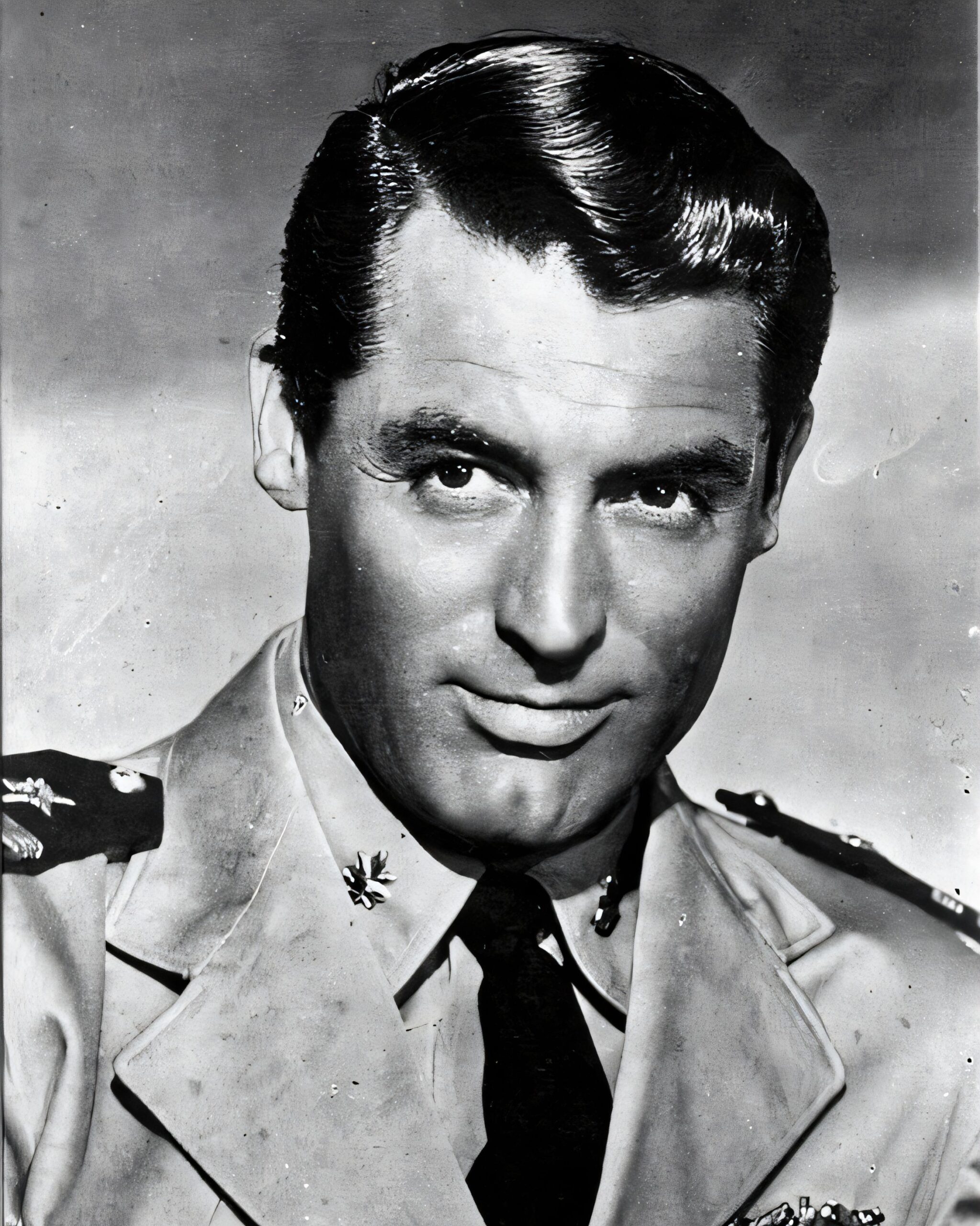
Cary Grant remains one of the most recognizable names in classic Hollywood.
His screen presence still feels modern, even decades after his biggest films.
He balanced charm, wit, and emotional depth in a way few leading men ever matched.
This post looks at Cary Grant as both a star and a carefully built public image.
It also explains why his work continues to influence film, fashion, and celebrity culture today.
The Making of Cary Grant: From Archie Leach to an Icon
Cary Grant was born Archie Leach in Bristol, England.
That origin story matters because it highlights how “Cary Grant” was a crafted identity.
He moved from a difficult early life into performance, touring with stage groups.
Those years trained his timing, physical control, and ability to read an audience.
When he reached Hollywood, he didn’t just “become famous.”
He built a screen persona that felt effortless, even when it was technically precise.
Many biographies describe this transformation as a mix of ambition, discipline, and reinvention.
If you enjoy stories of self-invention in entertainment, you can explore more on classic Hollywood at Turner Classic Movies.
Why Cary Grant Still Feels Modern
Some classic stars feel locked in their era.
Cary Grant does not.
His acting style is clean, fast, and emotionally restrained in a way modern audiences understand.
He rarely “pushes” for sympathy, and that restraint makes the emotion more believable.
He also mastered the art of reacting.
In many scenes, the humor and tension come from his eyes, posture, and micro-pauses.
That’s one reason his romantic comedies still land today.
His films also feature sharp pacing, clever dialogue, and confident female co-leads.
Those elements match what people still want from mainstream entertainment.
For more on performance craft and film history, BFI is a strong place to browse.
Cary Grant’s Signature Style: The Suit, the Smile, the Control
Cary Grant’s fashion legacy is not a side note.
It is part of the “Cary Grant brand.”
He made tailoring look natural rather than showy.
The suits were clean, the lines were simple, and the fit was always exact.
That visual control supported his characters, who often seemed calm even in chaos.
In thrillers, the polished look becomes ironic, because danger keeps breaking into his perfect frame.
In comedies, the elegance becomes part of the joke, because his dignity is always under attack.
Modern menswear still borrows from that blueprint.
If you’re curious about classic tailoring standards and style history, GQ often covers how old Hollywood shaped modern menswear.
The Cary Grant Persona: Charm With an Edge
People often describe him with one word: “charming.”
That is true, but incomplete.
His charm worked because it had tension underneath.
He could be warm, but also guarded.
He could be romantic, but also skeptical.
He could be funny, but also slightly dangerous.
This mix created complexity without heavy melodrama.
It also allowed him to move between genres without losing his identity.
Grant knew when to lean into comedy and when to pull back.
That control is a major reason his films reward repeat viewing.
The Comedy Genius: Timing, Rhythm, and Self-Awareness
Cary Grant’s comedy does not depend on loud jokes.
It depends on timing.
He understood rhythm like a musician.
He knew exactly when to speak, when to pause, and when to let silence do the work.
He also had rare physical comedy skill.
Even small actions—turning his head, adjusting a sleeve, stepping back—could be funny.
Importantly, his characters often know how they look.
That self-awareness adds a modern flavor, like he is in on the joke.
This is why his comedies still feel fresh in the age of fast editing and quick punchlines.
If you want a deeper look at how comedy timing works in film, MasterClass has useful articles and classes on storytelling and performance.
The Thriller Side: Cary Grant in Hitchcock’s Hands
Cary Grant’s collaborations with Alfred Hitchcock helped define the “wrong man” thriller.
In these stories, a polished, normal-looking man is pulled into danger and confusion.
Grant was perfect for that.
He looked like he belonged in safe spaces—hotels, trains, parties, offices.
So when chaos hits, the contrast becomes instantly dramatic.
Hitchcock also used Grant’s attractiveness in a clever way.
The audience wants to trust him because he looks trustworthy.
That creates suspense when the plot asks, “Is he really safe?”
If you want to explore Hitchcock’s work and influence, Alfred Hitchcock’s Britannica entry is a reliable starting point.
Romance on Screen: Equal Parts Fantasy and Realism
Cary Grant’s romantic leads are often idealized.
He is witty, confident, and attentive.
But the best romances also show vulnerability.
He can play a man who is unsure, jealous, or emotionally blocked.
That balance keeps the romance from feeling fake.
His best pairings also treat the woman as a true equal.
The chemistry comes from conflict, not just compliments.
The characters challenge each other, tease each other, and negotiate power.
That dynamic is still the backbone of great romantic comedy writing today.
For readers who like film romance history, Roger Ebert’s site has many reviews that discuss classic performances and relationships on screen.
The Public Image vs. the Private Person
Cary Grant is also a case study in celebrity branding before social media.
He maintained a polished image for decades.
He avoided scandals when possible, and he protected his privacy.
But the gap between image and reality is part of the story.
Many accounts describe him as ambitious, self-critical, and always adjusting his public mask.
That can be inspiring and sad at the same time.
It shows that “perfect” is often a job, not a personality.
In today’s world of curated feeds and personal branding, that lesson feels timely.
If you’re interested in how fame and identity intersect, Psychology Today frequently publishes accessible writing on self-image and public perception.
What the Instagram Era Gets Right About Cary Grant
Modern audiences often rediscover Cary Grant through photos and clips online.
That makes sense because his visual appeal translates instantly.
A single image can capture his confidence, posture, and effortless polish.
But the deeper magic is in motion.
His voice, pacing, and reactions complete the effect.
So while a photo can introduce him, the films explain why he became iconic.
If you’re exploring classic cinema for the first time, a curated film list from The Criterion Collection can be a helpful guide.
Lessons We Can Steal From Cary Grant Today
Cary Grant’s career offers practical takeaways, even outside film.
He proves that communication style matters as much as raw talent.
He shows that professionalism can coexist with humor.
He demonstrates that reinvention is possible with discipline and a clear goal.
He also shows that elegance is often simplicity, not excess.
And he reminds us that confidence can be performed until it becomes real.
That last point is especially relevant in public-facing careers.
Leadership, sales, teaching, and media all reward calm presence under pressure.
Grant made calm presence his signature.
Cary Grant’s Legacy in Film, Fashion, and Culture
Cary Grant shaped what many people still imagine as the “classic leading man.”
He influenced actors who followed, from romantic comedy stars to thriller heroes.
His wardrobe set standards for timeless menswear.
His screen persona helped define charm as a kind of intelligence.
He also expanded the idea that masculinity can be witty, graceful, and emotionally controlled without being cold.
That is why he remains a reference point in modern culture.
He is not just remembered.
He is still used as a measuring stick.
Conclusion: Why Cary Grant Still Matters
Cary Grant endures because he offers more than nostalgia.
He offers craft.
He offers style that still looks right.
He offers performances that respect the audience’s intelligence.
And he offers a timeless example of how an artist can shape a public identity without losing complexity.
If you want a classic Hollywood figure who feels surprisingly current, Cary Grant is the perfect place to start.
Also Read : Humphrey Bogart