
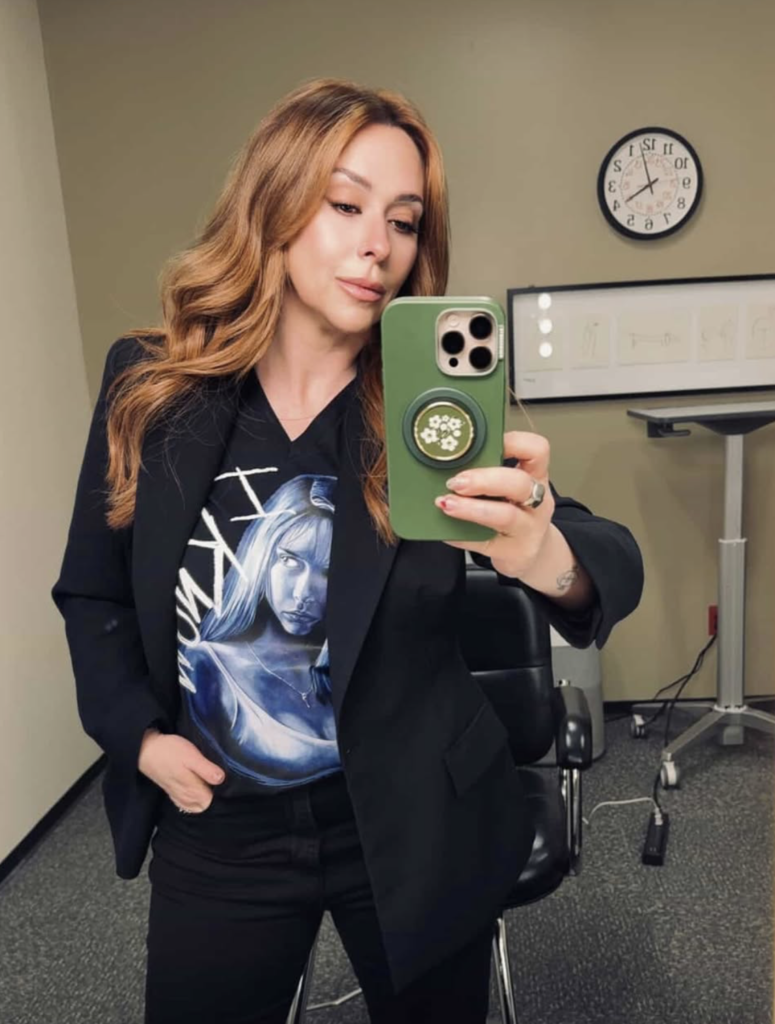
Jennifer Love Hewitt is an American actress, producer, and singer who became a defining face of late 1990s and early 2000s pop culture.
She is widely known for combining relatable charm with sharp comedic timing and emotionally direct performances.
Over the years, she has moved between teen hits, mainstream thrillers, network television, and voice work while keeping a steady public presence.
Her career is also a useful lens for understanding how Hollywood’s expectations of young women changed across decades.
Early life and first steps in entertainment
Jennifer Love Hewitt was born in Waco, Texas, and grew up with a strong interest in performance.
She trained in dance and began appearing in commercials and small television roles at a young age.
That early start helped her develop the kind of camera comfort that later made her feel natural in both comedy and drama.
Her earliest professional work placed her in the pipeline many child performers enter, where constant auditions and short-term jobs build stamina.
This stage matters because it often decides whether someone can handle the pace of a long career, not just a quick breakthrough.
In Hewitt’s case, the foundation gave her flexibility and a work ethic that producers could trust.
Breakthrough and the teen television era
Hewitt’s major rise came through television at a time when youth-oriented shows were shaping the identity of a generation.
She became especially visible through her role on Party of Five, where she played a character who stood out for warmth and sincerity.
That show helped her transition from “promising young performer” to someone audiences recognized week after week.
The late 1990s were a unique moment for teen and young adult entertainment.
The industry was discovering how profitable it could be to market coming-of-age stories, romance, and anxiety to a broad audience.
Hewitt fit that wave, but she also gave it a softer center, often portraying characters who felt emotionally readable instead of only stylish.
If you are exploring how teen drama shaped modern streaming storytelling, you might enjoy a deeper look at TV drama evolution.
That context helps explain why performers like Hewitt became cultural shorthand for an era.
Film stardom and the “final girl” moment
Hewitt’s film career reached a new level with I Know What You Did Last Summer.
The movie became a signature title in the revival of teen horror and thriller films.
It also positioned her as a recognizable “scream queen” figure without limiting her to only that genre.
The success of that film reflected a larger trend.
Studios were investing in youth-driven thrillers that mixed romance, fear, fashion, and pop soundtracks into a single package.
Hewitt’s presence added emotional immediacy, which is a key reason the film stayed memorable for many viewers.
For readers interested in why 90s horror remains so rewatchable, the idea of the slasher film is worth understanding.
It highlights the storytelling rules those movies used and how stars could become genre icons quickly.
Romantic comedies and mainstream appeal
After thriller success, Hewitt expanded into romantic comedies and lighter studio projects.
That shift is important because it showed she could carry different tones without losing audience trust.
Romantic comedy stardom often depends on the ability to feel approachable, and she had that quality in a very clear way.
In that period, her public image also grew beyond roles.
She became a regular subject of entertainment media, which can help fame but also intensify pressure.
Her career demonstrates how young actresses in that era were asked to be both “serious performers” and “perfect celebrities” at the same time.
If you want to understand this phenomenon broadly, reading about celebrity culture helps frame the conversation.
It explains how audiences and media systems shape a star’s story alongside their acting work.
Music career and the pop era crossover
Hewitt also pursued music, releasing albums and singles during the height of late-90s and early-2000s pop.
That crossover was common then, because studios and labels often used the same marketing channels.
For performers, music could be both a creative outlet and a way to control part of their public identity.
Her music was generally positioned as accessible pop with romantic themes.
It did not replace acting as her primary lane, but it reinforced her “multi-talented” branding.
The choice also illustrates how entertainment careers were becoming more diversified long before social media made that feel normal.
Anyone curious about this broader pattern can explore the concept of pop music.
It provides context for why cross-medium careers became a standard playbook.
The Ghost Whisperer years and television dominance
One of the most defining chapters of her career was Ghost Whisperer.
The show ran for multiple seasons and became a dependable hit for network television.
Hewitt’s performance blended empathy, melodrama, and procedural structure in a way that invited long-term viewer loyalty.
This era matters because it shifted her from “youth star” into “adult lead” status.
Network TV success is often a different kind of fame than film success.
It builds intimacy, because audiences see a lead character as part of their weekly routine.
Her role required emotional intensity, since the stories frequently dealt with grief, closure, and moral decisions.
Hewitt’s strength was making supernatural plots feel grounded through human reaction.
That ability is one reason the show is still remembered as comfort viewing for many fans.
If you like the genre blend, it helps to understand supernatural fiction.
It shows how emotional storytelling can work inside paranormal frameworks.
Reinvention, later projects, and evolving screen presence
After Ghost Whisperer, Hewitt continued working steadily, choosing projects that fit a more mature career stage.
She appeared in series that leaned into character complexity and ensemble storytelling.
This is a common path for actors who want longevity, because the best roles often come when a performer’s image becomes less rigid.
Her later choices also show how television changed.
Cable and streaming reshaped audience expectations, and stars had to adapt to new formats.
Instead of chasing one “perfect blockbuster,” many actors began building careers through consistent, varied work.
To understand the landscape shift, it is useful to read about the growth of streaming media.
That change helped reframe what success looks like for established performers.
Public image, media pressure, and cultural conversation
Hewitt’s fame developed during a time when tabloid culture was intense and often invasive.
The late 1990s and early 2000s frequently treated actresses’ bodies and dating lives as public property.
That pressure shaped how many stars were discussed, sometimes more than their actual performances.
A critical look at her career includes acknowledging that she often faced unfair scrutiny.
Media narratives sometimes reduced her to stereotypes, ignoring her range and professionalism.
Her persistence is a reminder that staying visible while protecting personal boundaries is a skill, not a given.
If you want a framework for this, learning about media bias can be helpful.
It provides language for understanding why coverage can become distorted.
Acting style and why audiences connect with her
Hewitt’s performances tend to emphasize sincerity.
She often plays characters who react quickly and emotionally, which makes scenes feel immediate.
That style can be powerful in television, where small gestures build relationships over time.
She also has a practical sense of humor.
Even in dramatic stories, she can add warmth that keeps a character from becoming too heavy.
This balance is one reason she has moved across genres without seeming out of place.
Her career also shows the value of professional consistency.
Some stars chase constant reinvention, while others build trust through reliability.
Hewitt has frequently leaned into roles that fit her strengths, and that has kept her work steady.
Personal life and privacy
Like many long-running celebrities, Hewitt has had to manage public interest in her private life.
She has spoken in interviews over the years about boundaries, confidence, and the experience of being watched.
That conversation matters because it reflects a broader cultural shift toward respecting privacy and mental well-being.
It is also fair to note that fame often changes how people interpret ordinary life events.
What would be normal for most families can become a headline for a celebrity.
Hewitt’s ability to stay active in the industry while keeping parts of her life protected is part of her modern relevance.
For general background on the topic, the idea of privacy is useful.
It helps explain why the line between public and personal has become a major cultural debate.
Legacy and influence
Jennifer Love Hewitt’s legacy is not just a list of roles.
It is also the story of how a performer can navigate multiple phases of celebrity across changing media ecosystems.
She represents a generation of stars who became famous before social media, then adapted to a world where everything is faster and louder.
Her work remains tied to nostalgia for many viewers.
At the same time, her television success shows that she was more than a trend.
She helped anchor long-running series, and that is a different kind of achievement than a single hit movie.
Looking back, her career highlights both opportunity and cost.
The opportunity was broad visibility and creative range.
The cost was constant public commentary that rarely treated young actresses fairly.
Her ongoing presence suggests a durable appeal.
Audiences still respond to performers who feel human on screen.
Hewitt’s best roles deliver exactly that quality.