
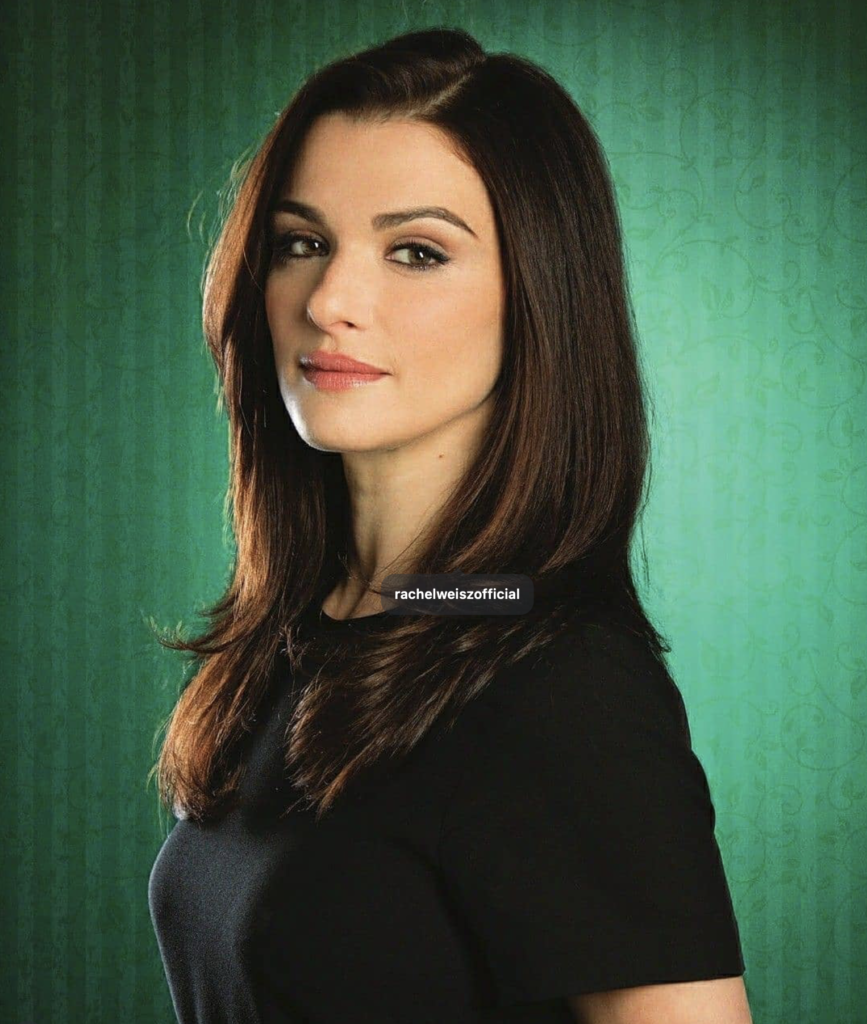
Rachel Weisz has spent decades in the public eye.
She is photographed on red carpets, interviewed on talk shows, and discussed in endless online threads.
Yet she has also built a reputation for being private, careful, and grounded.
So when Rachel Weisz says that being a celebrity “doesn’t mean anything,” it lands with extra weight.
Her comment is not a complaint about success.
It is a critique of what fame is supposed to represent.
In a culture that treats celebrity like a status badge, Weisz’s view sounds almost rebellious.
It suggests that the label “famous” is loud, but not necessarily meaningful.
This post looks at what that statement can mean in real life.
It explores why a working actor might separate recognition from identity.
It also asks what this attitude reveals about modern celebrity culture, social media attention, and the way audiences consume public figures.
Along the way, we will keep the conversation honest, practical, and a little entertaining.
What Rachel Weisz might mean by “celebrity doesn’t mean anything”
When someone says “celebrity doesn’t mean anything,” they are rarely saying nothing matters.
They are usually saying that fame is not the same as value.
They are drawing a line between visibility and worth.
They are refusing to let public attention define their private reality.
Celebrity is a social agreement.
Large groups of people decide to recognize one person more than others.
That recognition can come from talent, timing, marketing, luck, or a viral moment.
But it does not automatically say anything deep about character.
In other words, being known is not the same as being good.
Being talked about is not the same as being respected.
Being followed is not the same as being understood.
And being “iconic” is not the same as being happy.
If you have ever felt pressure to perform a version of yourself online, you already understand the core point.
Fame can be a costume.
It can be a role the world expects you to wear.
For an actor like Weisz, that irony is sharp.
She literally makes a living playing roles, but the public often tries to cast her in one off-screen too.
To understand why her statement resonates, it helps to look at what celebrity has become.
It is no longer just about movies and magazines.
It is an always-on attention economy powered by algorithmic distribution.
It rewards constant visibility, constant commentary, and constant access.
If you want a quick definition of celebrity culture as a system, you can start with the idea of the attention economy.
It explains why being seen can become more important than being skilled.
It also explains why someone might reject celebrity as “meaningless,” even while thriving in a public career.
The modern celebrity machine: more access, less meaning
In the past, celebrities were distant.
You saw them in a film, in a magazine interview, or at an awards show.
The distance created mystery.
Mystery created mythology.
Now the system is different.
Visibility is constant.
Familiarity is manufactured.
The boundary between “work” and “person” can dissolve.
Social media turned celebrity into a daily feed.
It encouraged audiences to expect personality updates, opinions, behind-the-scenes moments, and “relatable” content.
It also created a confusing expectation: famous people should be both extraordinary and normal at the same time.
This is where celebrity often loses meaning.
The public persona becomes a product.
The person becomes a brand.
And the brand must be maintained, even when the human being wants rest.
Weisz’s statement can be read as a refusal to confuse branding with being.
It can be her way of saying: “I do my job, but that job is not my soul.”
That distinction is healthy.
It is also rare in an era where many careers depend on personal exposure.
To see how branding shapes public perception, it helps to understand public relations as a craft.
PR is not automatically dishonest.
But it is designed to create narratives that stick.
Those narratives can be flattering, strategic, and sometimes limiting.
A celebrity who says “it doesn’t mean anything” may be pushing back against the narrative trap.
They may be trying to reclaim a quieter, truer self.
Rachel Weisz as a case study: fame without the hunger for fame
Rachel Weisz is not famous because she tried to become famous as a lifestyle.
She is famous because she pursued acting seriously and consistently.
Her career includes critically respected work and mainstream success.
She has also been selective, moving between genres and scales of production.
That selectivity matters.
It suggests she values the craft more than the buzz.
It signals a person who wants the work to speak louder than the noise around the work.
In that context, celebrity becomes a side effect, not the point.
This is an important distinction for readers.
Many people assume celebrities love the spotlight.
Some do.
Some do not.
And many have complicated feelings about it that change over time.
Weisz’s quote fits a common pattern among artists with longevity.
They often discover that attention is not a reliable source of satisfaction.
They learn that praise fades fast.
They learn that criticism can be random and brutal.
And they learn that identity built on external validation is fragile.
If you have ever achieved something you wanted and still felt strangely empty, you know the feeling.
It is not ingratitude.
It is reality.
Humans adapt quickly to new normal.
That is part of why “celebrity” can feel meaningless even when it looks glamorous.
Why audiences treat celebrity like it matters so much
If celebrity “doesn’t mean anything,” why do we act like it does.
Why do we care who is dating whom.
Why do we share red carpet photos.
Why do we argue about awards, rankings, and fan wars.
The answer is not that people are shallow.
The answer is that celebrity performs social functions.
It offers stories, symbols, and shared reference points.
It also offers a safe form of emotional investment.
Celebrity gossip is often a form of entertainment that feels low-stakes.
It can be a way to connect with friends.
It can be a way to escape stress.
And it can be a way to make sense of ambition, beauty, success, and failure through someone else’s life.
But there is a tradeoff.
The more we treat celebrity as meaningful, the more we inflate it.
We turn humans into screens for our projections.
We reduce complex people into simplified archetypes.
We punish them for changing.
This is why Weisz’s line can be refreshing.
It invites audiences to step back.
It reminds us that fame is not a moral achievement.
It is not a certificate of wisdom.
It is not a guarantee of happiness.
If you want to explore how people build one-sided bonds with famous figures, the concept of parasocial interaction is useful.
It explains why audiences can feel emotionally close to someone they have never met.
It also explains why celebrity culture can become intense, protective, and sometimes toxic.
The hidden costs of celebrity that people rarely see
Celebrity looks like privilege, and it often is.
It can bring money, opportunities, and influence.
It can also offer creative freedom.
It can open doors that stay closed for others.
But it also comes with costs that are not glamorous.
It can shrink privacy.
It can invite scrutiny.
It can make ordinary mistakes public property.
It can turn personal life into content.
There is also a psychological cost.
Constant evaluation can distort self-image.
Being photographed can make you hyper-aware of your body.
Being judged can make you anxious about speaking honestly.
And being praised can create pressure to stay perfect.
For women in particular, celebrity can intensify unrealistic beauty standards.
It can also create impossible contradictions.
Be confident but not arrogant.
Be sexy but not too sexual.
Be private but share enough to seem relatable.
When Weisz dismisses celebrity as meaningless, she might be protecting herself from that trap.
She might be refusing to negotiate with a system that constantly demands performance.
She might be choosing to center her real life over her public image.
This also connects to mental health in a practical way.
Fame can amplify stress.
It can create isolation.
It can make trust difficult.
And it can complicate relationships because people may want access rather than connection.
If you want context on how public pressure can affect wellbeing, start with a general overview of mental health and how stress interacts with daily functioning.
It is not a celebrity-only issue.
But celebrity can magnify it.
The craft-first perspective: acting versus being famous
One reason Weisz’s quote feels believable is that it aligns with a craft-first mindset.
Actors who prioritize craft often view fame as background noise.
They focus on scripts, directors, rehearsal, character work, and on-set collaboration.
They measure success by the quality of the work, not the volume of attention.
This mindset is healthier for longevity.
It gives you a stable internal standard.
It also helps you survive the ups and downs of the industry.
You do not have to be adored to keep going.
You just have to keep working.
From an audience perspective, craft-first celebrities can be more interesting.
They take risks.
They pick odd projects.
They surprise you.
They are not always trying to “win the internet.”
That approach can also be quietly inspiring for non-actors.
You can apply it to business, education, or creative work.
Do the work for the work.
Let recognition be a side effect.
Build a life that does not collapse if applause disappears.
This is not anti-success.
It is pro-reality.
Critical analysis: is celebrity truly meaningless
There is a fair challenge here.
If celebrity does not mean anything, why does it change lives.
Why does it create influence.
Why do brands pay for it.
Why do politicians and activists seek it.
Celebrity is not meaningless in its consequences.
It can shape public opinion.
It can raise money for causes.
It can open conversations that were previously ignored.
It can also spread misinformation at scale.
So the deeper meaning of Weisz’s statement may be narrower.
It may mean celebrity is meaningless as a measure of personal worth.
It may mean it is meaningless as proof of intelligence or virtue.
It may mean it is meaningless as a foundation for identity.
That interpretation makes the most sense.
It keeps the quote honest without pretending fame has no real-world effects.
It also matches what many thoughtful public figures seem to learn over time: attention is power, but it is not wisdom.
You can see this dynamic in how platforms reward visibility.
Algorithms amplify what gets engagement, not what is most accurate.
This is why media literacy matters more than ever.
It helps audiences separate credibility from popularity.
For a quick background on how online ranking systems shape what we see, the concept of algorithm is a starting point.
It is not the whole story.
But it helps explain why fame can be manufactured quickly and detached from substance.
Entertainment value: the irony of a famous person rejecting fame
There is also an enjoyable irony here.
Only a celebrity can say celebrity means nothing and have the world repeat it.
That is the paradox.
Fame gives you a microphone to critique fame.
And the critique becomes another headline.
But that irony does not make the message false.
It may make it more important.
Because when someone inside the system tells you the system is hollow, it hits differently.
It is like a chef telling you the secret ingredient is not the garnish.
The garnish looks impressive.
But it is not the meal.
For Weisz, the meal is probably work, relationships, and inner stability.
Celebrity is the garnish.
A loud garnish.
Sometimes a messy garnish.
What readers can take from Rachel Weisz’s perspective
You do not have to be famous to benefit from this idea.
Most people now live with mini versions of celebrity pressure.
Your social media profile can become a personal brand.
Your job can require networking and visibility.
Your success can be judged by metrics.
Weisz’s quote can be translated into everyday advice.
1) Separate identity from outcomes
You can be proud of achievements without making them your entire self.
You can pursue goals without letting results define your worth.
You can accept praise without depending on it.
This makes you steadier.
It also makes you braver.
When you are not owned by approval, you can take smarter risks.
2) Treat attention as a tool, not a truth
Attention is useful.
It can help you sell, teach, lead, or advocate.
But it does not automatically mean you are right or complete.
It just means you are seen.
This is a good time to practice asking: “Is this meaningful, or just loud.”
That question alone can improve decision-making.
3) Protect privacy like it is part of health
Privacy is not secrecy.
Privacy is space.
It is where you rest, reflect, and recover.
It is where relationships deepen without an audience.
Fame threatens that space.
So does constant posting.
So does the pressure to be “available.”
You can choose boundaries.
You can choose what you do not share.
You can choose a life that is not optimized for strangers.
4) Respect craft, not hype
In art, business, and life, hype fades.
Craft remains.
If you invest in real skill, you can rebuild even when trends change.
If you invest only in visibility, you are dependent on moods you cannot control.
This is why Weisz’s stance feels professional.
It suggests a long-term relationship with work.
It suggests patience.
It suggests discipline.
Celebrity, meaning, and the stories we tell ourselves
At its core, the Weisz quote asks a simple question.
What does it mean to matter.
Is it followers.
Is it headlines.
Is it awards.
Is it the feeling of being known.
Or is it the quieter stuff.
Do you have people you trust.
Do you like who you are when no one is watching.
Do you have a craft you respect.
Do you have a life that feels real.
Celebrity can be dazzling.
It can also be empty.
The difference is often whether you confuse attention with meaning.
Rachel Weisz’s line cuts through the confusion.
It reminds us that fame is a spotlight, not a soul.
It is an external condition, not an internal achievement.
It can be present without changing who you are.
And maybe that is the healthiest way to hold it.
Lightly.
Professionally.
Without worship.
Without fear.

Also Read : Natalie Portman