
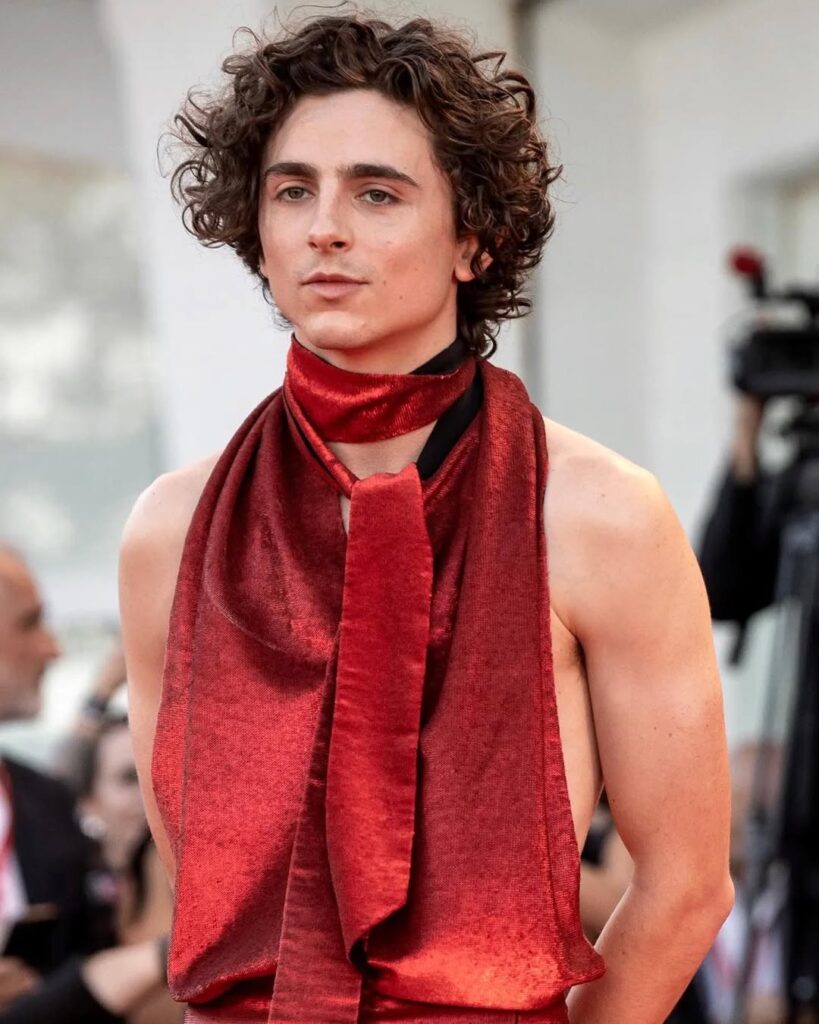
Timothée Chalamet is one of the most recognizable actors of his generation.
He is known for intense performances, careful role choices, and a public image that mixes art-house credibility with blockbuster reach.
In a short time, he has become a reliable headline in film culture, fashion, and awards conversations.
This post looks at his career in a clear, easy-English way.
It also asks the bigger question: why does he work so well for modern audiences, and what might come next.
If you are searching for “Timothée Chalamet movies,” “Timothée Chalamet Dune,” or “Timothée Chalamet Wonka,” you are in the right place.
Why Timothée Chalamet Matters Right Now
Chalamet arrived during a moment when Hollywood needed new leading men who could carry both independent films and global franchises.
He fits that gap unusually well.
He can act with emotional detail in small scenes, then scale up to huge sets and visual effects without losing presence.
That combination is rare, and it has made him a “bridge” between older prestige cinema and newer mainstream storytelling.
His rise also matches how audiences discover stars today.
People do not just watch films; they follow interviews, red carpets, behind-the-scenes clips, and social media moments.
Chalamet’s public persona is expressive but controlled, which helps him stay interesting without becoming overexposed.
For broader context on modern film culture, you can explore Hollywood industry news.
Early Life and Background
Timothée Hal Chalamet was born in New York City.
He grew up around a mix of languages and cultures, which later shaped how “international” his appeal feels.
He studied acting early and took creative work seriously before fame arrived.
This matters because his performances often feel trained, not accidental.
Even when a character is messy or impulsive, the choices look deliberate.
That preparation is part of his brand.
The Breakout: “Call Me by Your Name”
Many people first noticed Chalamet through Call Me by Your Name.
The film gave him space to play emotion without forcing it into obvious speeches.
His character, Elio, changes through small reactions, pauses, and physical detail.
It is the type of performance that rewards careful watching.
The role also positioned him in a very specific lane: young, thoughtful, and brave in material that could have been handled more safely.
That early association with risk and seriousness helped him immediately.
If you want a quick overview of the film and its credits, see the IMDb page.
What Made the Performance Stand Out
Chalamet did not play the role as a “perfect” romantic lead.
He played it as a real person learning what he wants, and what that costs.
That human messiness is why the performance still gets discussed.
It also established a key pattern in his career: he often chooses characters at turning points.
They are not fully formed heroes.
They are people becoming someone else.
Building Range: Key Films After the Breakout
After the breakout, he did not repeat the same role again and again.
Instead, he built a portfolio of different tones.
That strategy matters for long-term career strength.
It protects him from being trapped in a single “type.”
It also tells directors and studios that he can be used in multiple genres.
“Lady Bird” and Supporting Strength
In Lady Bird, Chalamet played a character who feels charming at first, then reveals selfishness and immaturity.
It is a smaller role, but it showed he could make an impact without being the center of the story.
That is important in Hollywood.
It signals that he is not only chasing spotlight.
It also showed his ability to be funny without turning into a comedian.
“Beautiful Boy” and Emotional Intensity
Beautiful Boy pushed him into heavier drama.
The story required difficult emotional swings and a careful balance between sympathy and frustration.
This is where his technical control became obvious to many viewers.
He can show pain without turning it into performance “noise.”
He can also make a character’s worst choices feel understandable, which is hard to do.
“Little Women” and Classic Adaptation Work
In Little Women, he stepped into a beloved literary world with high expectations.
His Laurie was energetic, wounded, and sometimes impulsive.
It worked because he did not try to copy older versions.
He played the character as a young man who feels everything strongly and does not yet know how to manage it.
That modern emotional clarity helped the adaptation feel alive.
For background on classic adaptations and the book’s legacy, Britannica is a useful place to explore.
The Blockbuster Leap: “Dune” and Franchise Pressure
Dune changed the scale of Chalamet’s fame.
It also changed the expectations placed on him.
In a franchise, you are not only acting for a scene.
You are carrying a brand, sequels, and audience theories for years.
Chalamet’s Paul Atreides is not loud.
It is watchful and internal.
That is a bold choice in a huge science-fiction story.
It fits the character’s arc, which is about destiny, power, and the danger of hero worship.
If you enjoy reading about science fiction’s cultural influence, you can browse science fiction coverage.
Why His Paul Atreides Works
He plays Paul as someone who senses a trap forming around him.
The performance is built on tension, not triumph.
That helps the story’s themes land better.
It also shows Chalamet’s willingness to avoid “easy” hero energy.
He is not afraid to look uncertain.
That uncertainty makes later power feel more unsettling, which is exactly what the narrative needs.
“Wonka” and the Test of Charm
Playing Willy Wonka is risky.
The character carries a long pop-culture shadow, and audiences arrive with strong opinions.
Chalamet approached it as a musical-friendly, optimistic version rather than a dark reinvention.
That was a strategic decision.
It allowed the film to aim for family audiences while still giving him room for quirks.
What the Role Revealed
The role highlighted a lighter side of his screen presence.
It also proved he can lead a project that relies on warmth and rhythm, not only intensity.
For an actor’s longevity, this matters.
If you only do serious drama, you can become predictable.
If you can do charm and sincerity, you widen your career options.
For general information about musicals and film history, BFI is a strong resource.
Acting Style: Subtle, Physical, and Modern
Chalamet’s acting is often described as “subtle,” but that word can be vague.
More precisely, he uses micro-expressions, posture shifts, and voice control to show thought in real time.
He frequently acts like someone listening, not someone delivering lines.
That creates realism.
He also tends to avoid neat emotional closure.
His characters may end scenes still confused, still processing, or still split in two.
That choice matches modern storytelling, where endings are not always clean.
Strengths That Show Up Again and Again
He communicates emotion through stillness.
He is good at playing ambition that feels dangerous.
He can shift from tenderness to defensiveness quickly.
He often makes intelligent characters feel young, not “written.”
These strengths explain why he fits both prestige directors and big studio plans.
Public Image and Star Power
Chalamet’s celebrity brand is carefully balanced.
He appears accessible, but he maintains distance.
He shares enough to stay relevant, but not enough to become a daily reality show.
This balance is especially valuable in the current media environment.
It keeps curiosity alive.
It also protects the work.
When an actor becomes too familiar, audiences sometimes stop believing the characters.
Chalamet still feels “actable,” meaning you can watch him become someone else.
For media analysis and celebrity culture reporting, Variety is a common industry reference point.
Fashion and Cultural Impact
It is impossible to discuss Timothée Chalamet without mentioning fashion.
He has become a regular feature of best-dressed lists, and not only because of expensive suits.
He takes visible risks.
He plays with silhouettes, textures, and gender-neutral styling in ways that feel current rather than forced.
This matters because red carpet style is part of modern stardom.
It is not separate from the career.
It is a form of communication.
It signals taste, confidence, and a willingness to be seen as “new.”
Why His Fashion Choices Work
He often chooses outfits that fit the mood of the project.
He understands how clothing becomes a story on the red carpet.
He does not dress like he is trying to look older than he is.
He also avoids looking like a brand mannequin.
That creates authenticity, which audiences respond to.
For broader fashion coverage and runway context, you can explore Vogue.
Collaborations and Director Choices
A major reason Chalamet’s career looks strong is his director list.
He has worked with filmmakers known for distinct styles and serious storytelling.
That raises his credibility.
It also trains an actor quickly, because each director demands different skills.
Smart collaborations can shape an actor’s “taste profile.”
Chalamet’s profile suggests he is aiming for longevity, not just quick fame.
This is similar to how past long-term stars built careers: mix big hits with challenging roles, and keep learning on screen.
Criticisms and Fair Questions
No modern star rises without criticism.
Some viewers feel he appears in “too many” major projects for his age group.
Others question whether the industry is giving him opportunities that could have gone to a wider range of young actors.
These are reasonable concerns.
There is also the classic backlash pattern: when someone becomes a symbol of taste, people push back to test whether the praise is deserved.
The best response to this kind of pressure is consistent work quality.
So far, Chalamet’s performances have stayed strong enough to keep the conversation focused on films, not only hype.
What Makes His Career Strategy Interesting
Chalamet’s choices suggest a specific plan.
He alternates between prestige and mass audience projects.
He avoids repeating the same emotional beats too often.
He keeps his brand youthful but serious.
He shows up in fashion spaces without losing film credibility.
This is a difficult balance, and many actors fail at it.
When it works, it creates a rare kind of star: respected, popular, and still unpredictable.
That unpredictability is a major asset.
It makes people curious about the next project before they even know the plot.
What’s Next for Timothée Chalamet
The most likely future path is continued blending of big franchises and auteur-driven films.
He is positioned to keep leading large-scale stories while taking occasional risks in smaller projects.
He may also move toward producing, which is a common step for actors who want more control over material.
If he protects his role selection and avoids burnout, he could become one of the defining actors of his era.
The key challenge will be variety.
Audiences love him now, but long careers require reinvention.
The positive sign is that he already seems comfortable shifting tone, genre, and public presentation.
For upcoming film release dates and industry updates, you can check Rotten Tomatoes or Metacritic.
Timothée Chalamet in One Sentence
Timothée Chalamet is a modern leading man who combines art-house skill, blockbuster stamina, and cultural style influence without losing the sense that he is still growing.
That “still growing” part is what keeps him exciting.
Also Read : Morgan Freeman Latest Film & TV Projects